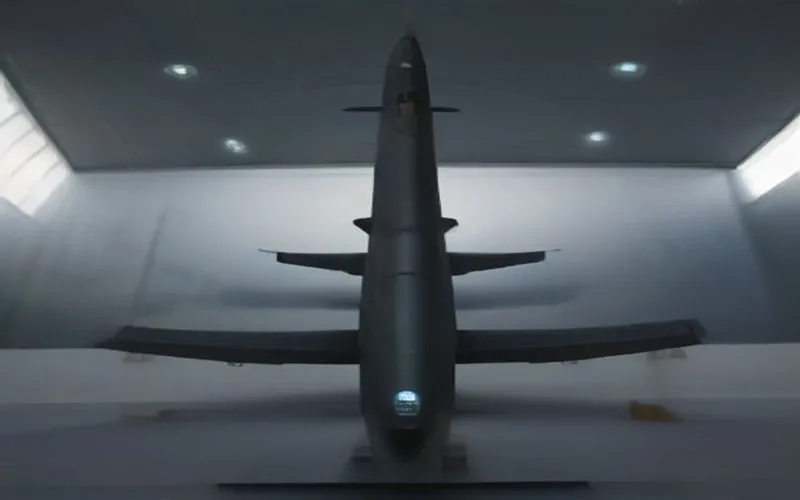
The annual Space and Missile Defense Symposium officially concluded today in Huntsville, Alabama, marking the end of a premier gathering for military leaders, defense contractors, and technology innovators. The final day of the conference featured prominent remarks from NORAD’s second-in-command, Lt. Gen. Joseph Jarrard, and Missile Defense Agency (MDA) Director Lt. Gen. Heath Collins. The event served as a critical platform to discuss evolving national security challenges, layered defense architectures, and the rapid integration of emerging technologies into the United States military framework.
Cutting-Edge Weaponry and Interceptor Systems on Display
The exhibition floor featured a comprehensive array of advanced military hardware, highlighting the defense industry's response to modern aerial and ballistic threats. Boeing showcased its Ground-launched Small Diameter Bomb alongside its competitive bid for the Indirect Fire Protection Capability (IFPC) Increment 2 interceptor program. Major prime contractors also exhibited vital layered defense assets, including Lockheed Martin's PAC-3 and THAAD missile systems, Raytheon's Lower Tier Air and Missile Defense Sensor (LTAMDS) paired with the SM-3 Interceptor, and Northrop Grumman’s Glide Phase Interceptor (GPI) designed specifically to counter regional hypersonic missile threats.
Emerging Technologies and National Security Innovations
Beyond traditional kinetic interceptors, the 2026 symposium heavily emphasized disruptive technologies transforming modern warfare. D-Wave demonstrated its annealing quantum computing processor applied to national security computational needs, signaling a major leap forward in data processing and threat analysis. Additionally, companies like Moog highlighted expanded bus capacities for satellite platforms such as the METEORITE Satellite, while specialized manufacturers displayed critical components like Circor MEMS G-switches and advanced high-power microwave sensors from Radiance Technologies. These advancements underscore the critical role of microelectronics and resilient space architecture in future military engagements.
Strategic Implications and Leadership Insights
Throughout the multi-day event, senior military leadership, including US Army Space and Missile Defense Command chief Lt. Gen. John Rafferty, emphasized the necessity of cross-domain integration. Discussions focused heavily on bridging the gap between space assets, terrestrial missile defense grids, and multi-domain operations. As geopolitical tensions drive accelerated modernization timelines across the US Department of Defense, exhibitions like the SMD Symposium provide a vital window into the future of global defense technology, readiness, and strategic deterrence.
Bu haber, Ajans Savunma editoryal standartları çerçevesinde Yapay Zeka destekli algoritmalar tarafından orijinal kaynaktaki teknik verilere sadık kalınarak yeniden derlenmiştir. Orijinal Kaynak: Breaking Defense



Yorumlar (0)
Henüz yorum yapılmamış. İlk yorumu siz yapın!
Bir Yorum Bırakın