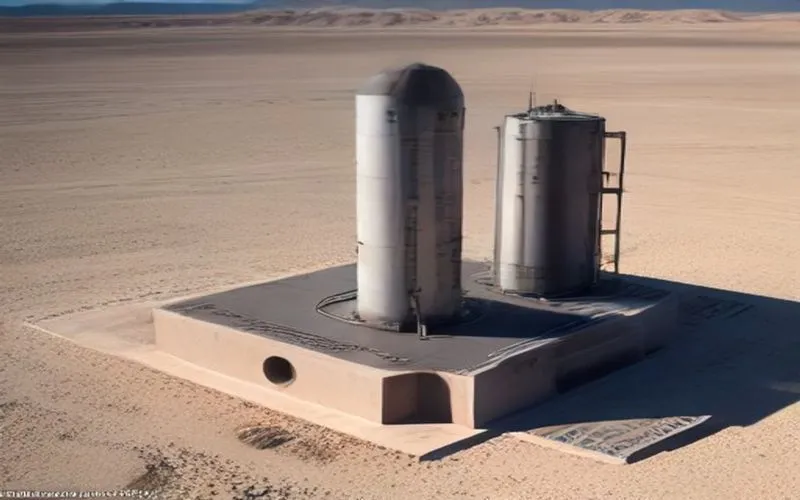
In a major milestone for its aerospace sector, Chinese private firm LandSpace has successfully achieved the country's first-ever land-based recovery of a reusable space launch rocket booster. This critical breakthrough follows closely on the heels of a sea-based recovery conducted by the state-owned China Aerospace Science and Technology Corporation (CASC). As Beijing rapidly advances its reusable launch vehicle technologies, defense analysts and military strategists are closely monitoring the profound geopolitical and tactical implications of these developments for national security and orbital dominance.
The ZhuQue-3 Flight Test and Technical Specifications
The successful flight test involved the ZhuQue-3 (ZQ-3) Y2 reusable launch vehicle, which lifted off from the Dongfeng Commercial Space Innovation Pilot Zone. Approximately 137 seconds after ignition, the first and second stages separated successfully, with the upper stage deploying a commercial satellite into orbit. Meanwhile, the first-stage booster executed a controlled return, achieving a soft touchdown at Landing Site #1 in Gansu Province. Standing roughly 66 meters tall, the stainless-steel ZQ-3 relies on a liquid methane and liquid oxygen propellant mix, drawing close technical comparisons to U.S. firm SpaceX's Falcon 9 rocket.
Strategic Implications for China's Military Space Enterprise
While commercial entities like LandSpace and civilian programs like CASC's lunar missions nominally drive these projects, the national security implications are immense. Mature and reliable reusable space launch capabilities drastically lower the economic barriers to orbit, allowing Beijing to rapidly expand its military and intelligence satellite networks. U.S. Space Command officials have repeatedly highlighted the staggering pace at which China is growing its orbital architecture, pointing out that Chinese constellations now feature hundreds of remote-sensing satellites capable of tracking mobile naval forces in the Indo-Pacific theater.
Closing the Gap with Western Commercial Launch Providers
For years, the United States and companies like SpaceX have maintained a decisive competitive advantage in the global commercial launch market through proven reusable booster technologies. By successfully landing the ZQ-3 and developing alternative retrieval mechanisms like ship-mounted recovery nets for the Long March 10B, Chinese aerospace companies are systematically eroding this strategic edge. The financial savings generated by reusability will likely cycle back into accelerating China's comprehensive military space infrastructure, setting the stage for an intensified geopolitical space race in low Earth orbit and beyond.
Bu haber, Ajans Savunma editoryal standartları çerçevesinde Yapay Zeka destekli algoritmalar tarafından orijinal kaynaktaki teknik verilere sadık kalınarak yeniden derlenmiştir. Orijinal Kaynak: The War Zone (Global)



Yorumlar (0)
Henüz yorum yapılmamış. İlk yorumu siz yapın!
Bir Yorum Bırakın