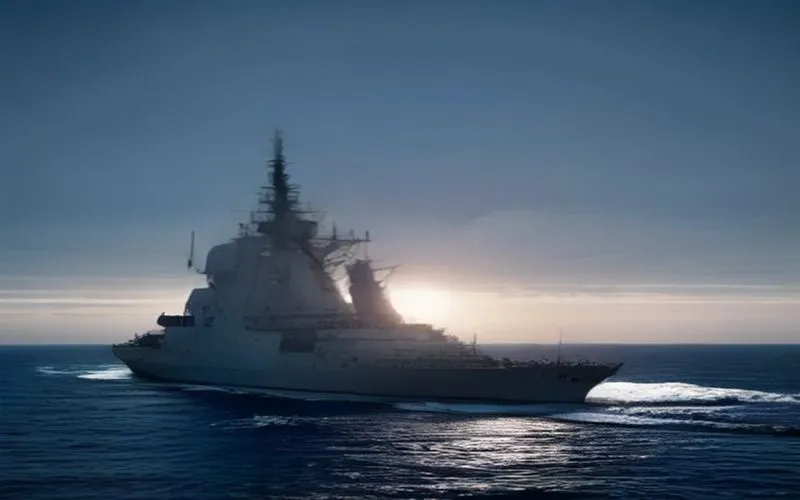
The geopolitical balance in the Indo-Pacific relies heavily on visible military presence and adherence to international maritime laws. Recent analyses of Taiwan Strait transits indicate a sharp downward trend in publicly declared operations by the United States Navy. While past administrations maintained a steady cadence of freedom of navigation operations to contest Beijing's sweeping territorial claims, current projections suggest a more than fifty percent decline in visible patrols, sparking intense debate among defense strategists and policy analysts.
The Strategic Importance of Public Naval Transits
The Taiwan Strait has long served as a critical flashpoint where competing territorial assertions meet. China claims the strategic waterway as its internal waters, a position rejected by Washington and nearly all other nations. Regular military transits act as a fundamental deterrent, preventing the international community from accepting Beijing's illegitimate maritime assertions by default.
- Challenging unlawful unilateral maritime claims through active navigation.
- Projecting enduring American military presence amid daily Chinese naval incursions.
- Reassuring regional allies and partners, particularly Taipei, of unwavering US security commitments.
- Providing the US Navy with crucial operational experience in a contested waterway.
Weighing the Impact of 'Silent Transits'
Some defense observers suggest that the dip in official announcements does not necessarily equate to a reduction in actual naval operations. Instead, the Pentagon may be engaging in unpublicized or silent transits to manage diplomatic tensions with Beijing. While these covert passages allow warships to move through the area without generating public friction, they fail to project the broader strategic signaling that allies and partners rely on.
Implications for Regional Deterrence
A sudden decrease in publicly acknowledged freedom of navigation operations can lead to dangerous miscalculations. As Chinese maritime forces accelerate their coercive activities—including joint combat patrols, simulated blockades, and gray-zone tactics—perceptions of American resolve matter immensely. If allies or adversaries interpret the lower transit numbers as strategic fatigue or retreat, the security architecture of the entire Indo-Pacific region could be severely destabilized.
Ultimately, maintaining a robust, visible posture in the Taiwan Strait remains essential for upholding international law and deterring conflict. Defense experts argue that returning to a transparent and consistent tempo of public naval operations is vital to reinforcing deterrence and reassuring regional partners.
Bu haber, Ajans Savunma editoryal standartları çerçevesinde Yapay Zeka destekli algoritmalar tarafından orijinal kaynaktaki teknik verilere sadık kalınarak yeniden derlenmiştir. Orijinal Kaynak: Breaking Defense


Comments (0)
No comments yet. Be the first to comment!
Leave a Comment