AJANS SAVUNMA | SAVUNMA & STRATEJİ | 30.08.2026 06:00
USD/TRY 48.25 EUR/TRY 56.00 BIST 100 101,729 BTC/USD $78,048
SON DAKİKA
Kontrolsan'dan Savunma Sanayiine Kritik Güvenlik Mimarisi: PSIM Tabanlı Tesis Koruma Çözümleri Kontrolsan Temsilciliğinde Metronor Boresight ve Sensör Kalibrasyon Sistemleri Montaj Hatlarında BMC Savunma'dan TSK'ya Yeni Nesil VURAN ve KİRPİ II Zırhlı Araç Teslimatı ASELSAN ve ROKETSAN'dan Çelik Kubbe İçin Seri Üretim Hamlesi: Yeni Radarlar ve Füze Bataryaları Sahaya İniyor Bayraktar TB3 SİHA'dan TCG ANADOLU Üzerinde Tam Otonom Gece İniş-Kalkış Testi Başarısı MİLGEM 9-12. İSTİF Sınıfı Fırkateynlerde Yerli Silah ve Sensör Payı Rekor Seviyeye Ulaştı TUSAŞ KAAN Projesinde İkinci ve Üçüncü Prototip Montaj Hatlarında Kritik Aşama MİLGEM 9-12. İSTİF Sınıfı Fırkateyn İnşalarında Kritik Aşama: Yerli Sistem Payı %85'e Ulaştı Metronor Boresight ve Sensör Hizalama Sistemleri Savunma Montaj Hatlarında Devrede Kritik Savunma Tesisleri İçin Uçtan Uca PSIM Tabanlı Komuta Kontrol Güvenlik Mimarisi Çelik Kubbe Nedir? Türkiye'nin Katmanlı Hava Savunma Mimarisi F-35 Programında Maliyet Alarmı: Toplam Fatura 536 Milyar Doları Aştı İsveç’ten Finlandiya’ya Stratejik Askeri Destek: Gripen Uçakları Görevde Avrupa Uzay Ajansı'ndan Stratejik Hamle: Yeni Fırlatma Sözleşmeleri İmzalandı ABD Ordusu Lazer Silahları Sınırda İHA'ları Vurarak Düşürdü Kontrolsan'dan Savunma Sanayiine Kritik Güvenlik Mimarisi: PSIM Tabanlı Tesis Koruma Çözümleri Kontrolsan Temsilciliğinde Metronor Boresight ve Sensör Kalibrasyon Sistemleri Montaj Hatlarında BMC Savunma'dan TSK'ya Yeni Nesil VURAN ve KİRPİ II Zırhlı Araç Teslimatı ASELSAN ve ROKETSAN'dan Çelik Kubbe İçin Seri Üretim Hamlesi: Yeni Radarlar ve Füze Bataryaları Sahaya İniyor Bayraktar TB3 SİHA'dan TCG ANADOLU Üzerinde Tam Otonom Gece İniş-Kalkış Testi Başarısı MİLGEM 9-12. İSTİF Sınıfı Fırkateynlerde Yerli Silah ve Sensör Payı Rekor Seviyeye Ulaştı TUSAŞ KAAN Projesinde İkinci ve Üçüncü Prototip Montaj Hatlarında Kritik Aşama MİLGEM 9-12. İSTİF Sınıfı Fırkateyn İnşalarında Kritik Aşama: Yerli Sistem Payı %85'e Ulaştı Metronor Boresight ve Sensör Hizalama Sistemleri Savunma Montaj Hatlarında Devrede Kritik Savunma Tesisleri İçin Uçtan Uca PSIM Tabanlı Komuta Kontrol Güvenlik Mimarisi Çelik Kubbe Nedir? Türkiye'nin Katmanlı Hava Savunma Mimarisi F-35 Programında Maliyet Alarmı: Toplam Fatura 536 Milyar Doları Aştı İsveç’ten Finlandiya’ya Stratejik Askeri Destek: Gripen Uçakları Görevde Avrupa Uzay Ajansı'ndan Stratejik Hamle: Yeni Fırlatma Sözleşmeleri İmzalandı ABD Ordusu Lazer Silahları Sınırda İHA'ları Vurarak Düşürdü
Elektronik Harp & Siber

Ex-USAF General Warns Iranian F-5 Strike on Kuwait Base Exposes Air Defense Flaws

Retired General Glen VanHerck revealed that Iranian F-5 jets successfully bombed a U.S. base in Kuwait, highlighting critical vulnerabilities in regional air defenses and base protection. The incident underscores long-standing inter-service disputes regarding responsibility for ground-based air defense and the urgent need for integrated command and control.

KISA CEVAP & HABERİN ÖZETİ

Retired General Glen VanHerck revealed that Iranian F-5 jets successfully bombed a U.S. base in Kuwait, highlighting critical vulnerabilities in regional air defenses and base protection. The incident underscores long-standing inter-service disputes regarding responsibility for ground-based air defense and the urgent need for integrated command and control.

Ex-USAF General Warns Iranian F-5 Strike on Kuwait Base Exposes Air Defense Flaws

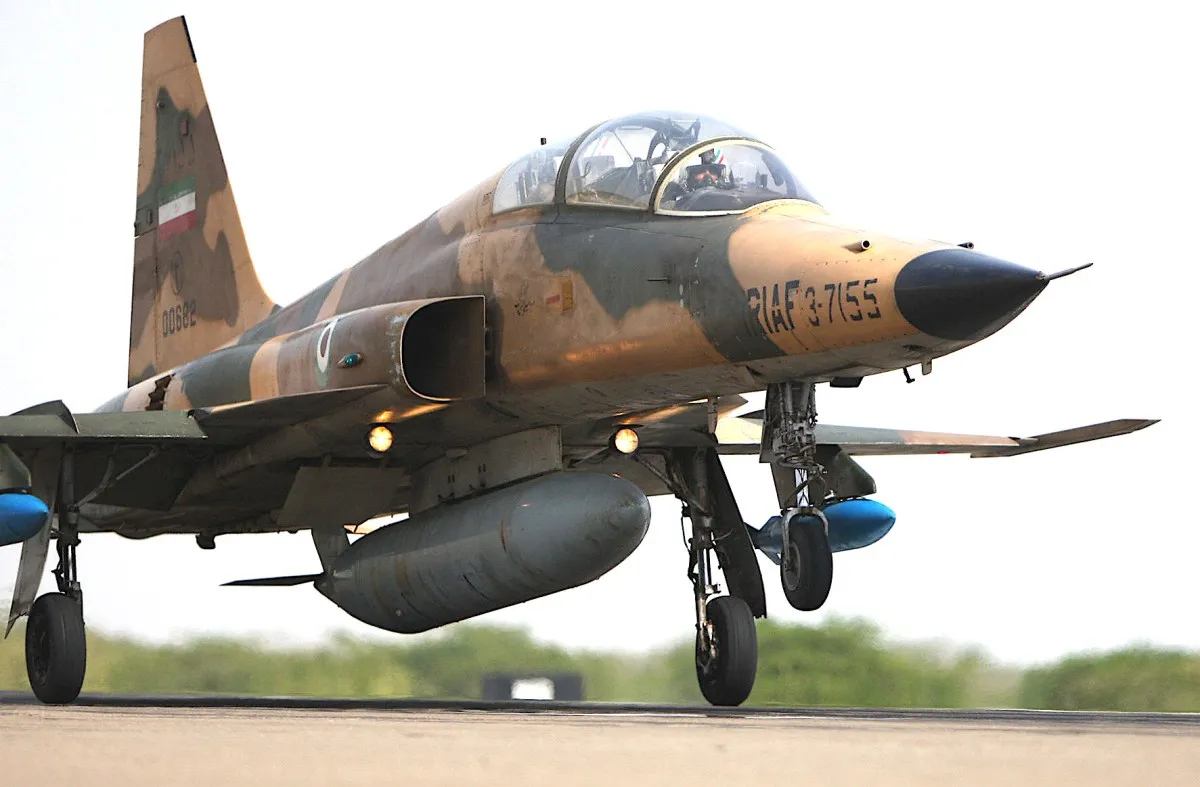
The revelation that Iranian F-5 aircraft successfully penetrated coalition airspace to drop unguided bombs on Camp Buehring in Kuwait has sent shockwaves through military and strategic circles. Retired U.S. Air Force General Glen VanHerck, former head of NORTHCOM and NORAD, recently addressed the operation during the Space & Missile Defense Symposium, characterizing the successful low-level attack as a profound embarrassment for modern air defense networks. While official U.S. confirmation has been heavily guarded, the incident brings to light deep-seated vulnerabilities in how forward-deployed military installations protect themselves against conventional aerial threats.

The Low-Level Ingress and Tactical Execution

According to reports emerging from regional media and intelligence assessments, the operation involved a trio of heavily refurbished Iranian F-5E/F aircraft—locally designated as Kowsars—originating from Iranian territory. To evade sophisticated radar detection networks, including airborne warning and control systems (AWACS) such as the E-3 Sentry, the pilots reportedly flew at extremely low altitudes, sometimes skimming below 50 feet at high speeds. This aggressive terrain-masking strategy was meticulously planned to bypass the engagement envelopes and blind spots of ground-based air defense assets, such as Patriot surface-to-air missile batteries deployed in the region.

  • Involved three refurbished Iranian F-5 fighter jets utilizing extreme low-altitude flight profiles.
  • Flown under strict radio silence to prevent electronic signature detection.
  • Purposely routed to exploit the topographical blind spots of traditional air defense radars.

Inter-Service Friction and Base Defense Gaps

General VanHerck strongly argued that the successful strike should not be viewed as a tactical surprise, but rather as the inevitable consequence of organizational ambiguity. Specifically, he pointed to decades of division between the U.S. Air Force and the U.S. Army regarding who holds primary responsibility for base defense against aerial incursions. While the Army traditionally managed broad ground-based air and missile defense, the lack of a unified command framework and seamless data-sharing between high-tier systems like Patriot and localized counter-drone initiatives created dangerous security gaps that adversaries eagerly exploited.

Broader Strategic Ramifications and Interceptor Shortages

The audacity of the Iranian mission highlights alarming weaknesses in the broader regional missile defense umbrella, which has faced relentless strain amid escalating conflicts in the Middle East. Compounding the tactical failures are growing concerns over depleted stockpiles of critical anti-air interceptors, putting immense pressure on defense planners. As the U.S. Air Force increasingly steps up to assume greater responsibility for the defense of its own installations, military leadership faces an urgent mandate to unify data fusion, command and control architectures, and lower-tier countermeasures to prevent similar penetrations in future high-end conflicts.

Bu haber, Ajans Savunma editoryal standartları çerçevesinde Yapay Zeka destekli algoritmalar tarafından orijinal kaynaktaki teknik verilere sadık kalınarak yeniden derlenmiştir. Orijinal Kaynak: The War Zone (Global)


🛡️ EDİTÖRYAL ŞEFFAFLIK VE DOĞRULAMA

Haber Kaynağı: The War Zone (Global)

Yayın Tarihi: | Son Güncelleme:

Yapay Zeka Destekli Derleme: Bu içerik, Ajans Savunma editoryal standartları ve yapay zeka algoritmaları gözetiminde açık kaynak istihbaratı ve doğrulanmış savunma bültenlerinden sentezlenmiştir.

Maddi bir hata veya düzeltme talebiniz için lütfen Düzeltme Politikamızı inceleyiniz veya editor@ajanssavunma.com üzerinden editoryal masamıza ulaşınız.

Yorumlar (0)

Henüz yorum yapılmamış. İlk yorumu siz yapın!

Bir Yorum Bırakın