
The Pentagon's ambitious Golden Dome homeland missile defense initiative is facing a severe fiscal challenge, according to top military leadership. Speaking at the Space & Missile Defense Symposium in Huntsville, Alabama, Gen. Michael Guetlein, the senior Pentagon official overseeing the program, delivered a stark warning regarding a looming financial roadblock set for fiscal year 2027. Despite substantial progress in early contracting and site construction, the architectural framework of this multi-layered missile shield hangs in the balance as lawmakers grapple with complex budgetary constraints and competing domestic and international spending priorities.
The 2027 Budgetary Cliff and Legislative Hurdles
The core of the financial predicament lies in how the initiative was initially funded. Rather than moving through the traditional Pentagon annual budget process, initial allocations for Golden Dome were routed through a congressional reconciliation package. However, relying on this mechanism for future funding has proven uncertain on Capitol Hill. The Department of Defense is seeking approximately $17.5 billion for the program in 2027, yet a mere $400 million is currently embedded within the base defense budget.
- The vast majority of the required 2027 funding—roughly $17.1 billion—is tied to a separate, expansive reconciliation request.
- This massive financial request has met considerable resistance from lawmakers in both the House and the Senate.
- Pentagon officials and the Office of Management and Budget (OMB) are actively collaborating with both political parties to find an alternative funding pathway.
Without a reliable mechanism to bridge this fiscal gap, Gen. Guetlein cautioned that the program risks losing its momentum. Although he expressed ultimate confidence that Congress and the administration will strike a bipartisan compromise, the timing of the cash flow remains a primary concern for defense planners attempting to keep strict deployment schedules on track.
Program Architecture, Cost Projections, and Integration
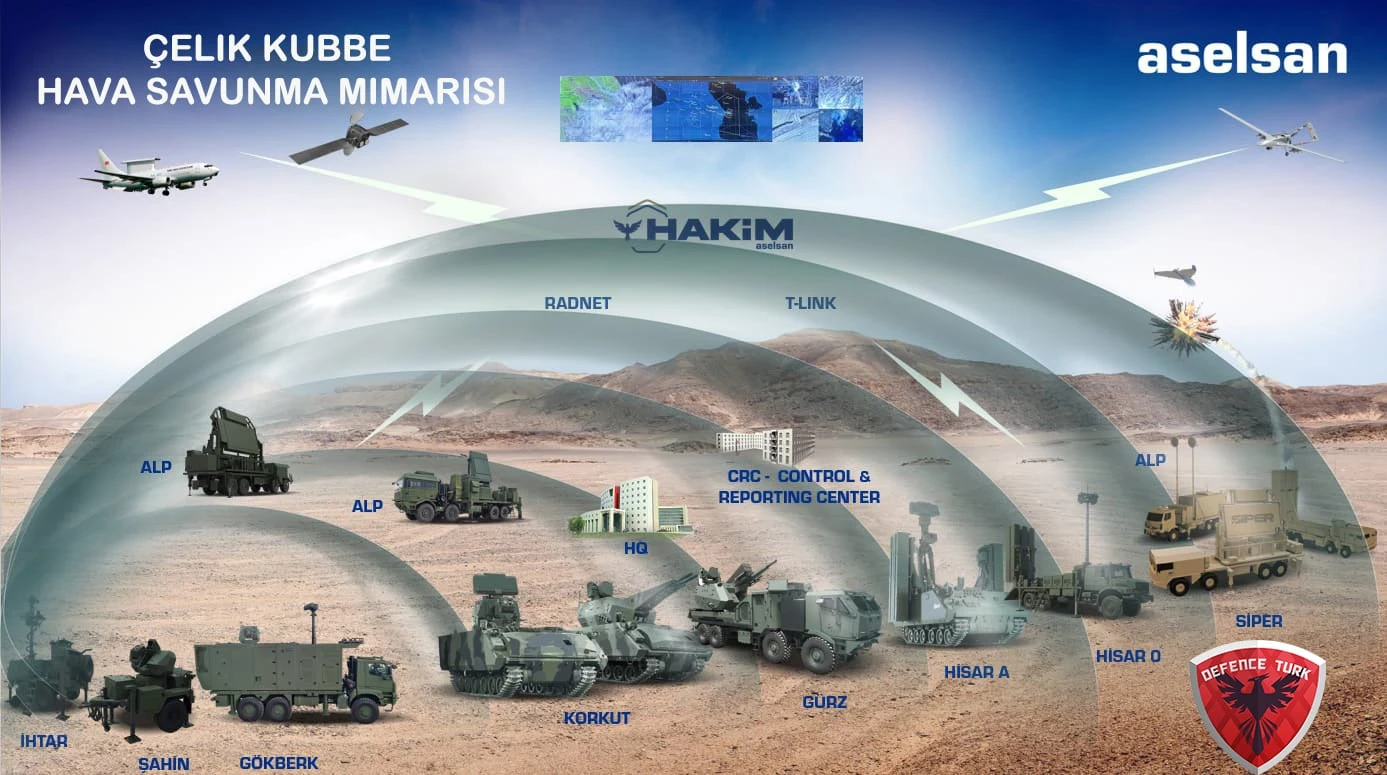
Estimated by the administration at roughly $185 billion overall, Golden Dome is designed as a comprehensive, layered homeland defense architecture. It aims to integrate existing and next-generation sensors, advanced interceptors, and unified command-and-control systems to protect the United States from ballistic, hypersonic, and cruise missiles, alongside other complex aerial threats approaching from multiple trajectories.
Gen. Guetlein robustly defended the $185 billion price tag against independent analyses that suggested vastly higher costs. He explained that external analysts often miscalculate by extrapolating the cost of legacy systems across the entire geography of the United States, whereas Golden Dome leverages commercial space manufacturing, reduced launch costs, improved computing capabilities, and pre-existing military assets.
Decentralized Execution and Command-and-Control
Rather than housing all development under a single centralized enterprise, the execution of Golden Dome is distributed across traditional military services and specialized defense agencies:
- Command and Control: Gen. Guetlein’s dedicated office directly manages only the overarching command-and-control network.
- Service-Level Development: Individual capabilities, including radars, launchers, and space-based assets, are funded and developed through the Space Force, the Missile Defense Agency, and the Army.
- Unified Networking: These disparate elements are subsequently tied together through a common command architecture to overcome the historical stovepiping of legacy defense systems.
Current Progress, Construction, and Testing Milestones
Despite the looming 2027 budget challenges, the initiative has advanced rapidly using the $22.5 billion already appropriated by Congress. According to the Pentagon, approximately 95 percent of these initial funds have already been legally committed under contract, successfully placing radars, launchers, space-based interceptors, and the Space Data Network under production.
Infrastructure development is also well underway across the nation. While specific geographic coordinates remain classified, officials confirmed that the program has established its first operational site, with construction at additional locations projected to reach near-completion by the end of 2027. On the testing front, the program has successfully executed two classified intercept tests, setting the stage for a significantly more complex test campaign in 2027 leading toward a major operational demonstration scheduled for 2028.
Furthermore, recent administrative actions—including a national security presidential directive signed by President Trump—have granted Golden Dome broader interagency access to critical government data from entities such as NASA, the Department of Homeland Security, and the Federal Aviation Administration. As the program transitions from isolated component development into a unified national shield, addressing these legal, operational, and financial hurdles remains critical for long-term strategic defense.
Bu haber, Ajans Savunma editoryal standartları çerçevesinde Yapay Zeka destekli algoritmalar tarafından orijinal kaynaktaki teknik verilere sadık kalınarak yeniden derlenmiştir. Orijinal Kaynak: SpaceNews

Yorumlar (0)
Henüz yorum yapılmamış. İlk yorumu siz yapın!
Bir Yorum Bırakın