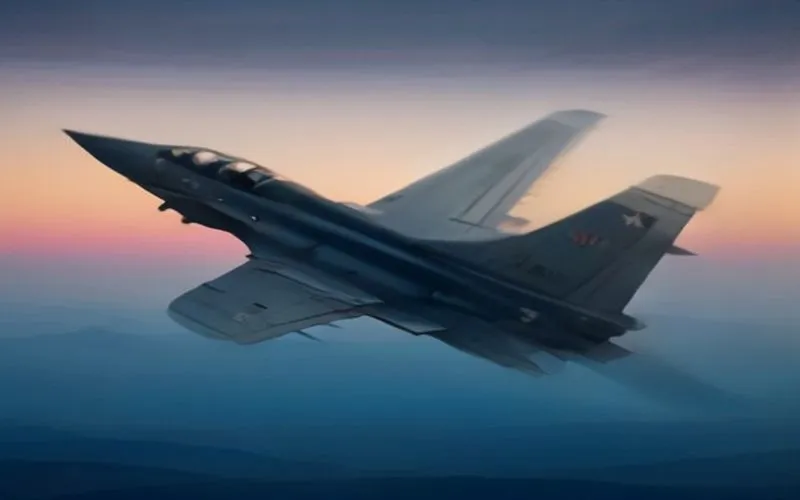
Recent investigative reports and disclosures from senior U.S. military officials have shed new light on the dramatic combat loss of a U.S. Air Force F-15E Strike Eagle over Iran earlier this year. According to findings cited by defense analysts, Iranian military commanders successfully employed tactics inspired by the ongoing war in Ukraine, utilizing interconnected networks of relatively inexpensive drones to feed critical tracking data to surface-to-air operators. This asymmetric workaround was deployed after extensive U.S. and Israeli suppression of enemy air defenses (SEAD) missions largely degraded traditional Iranian radar and command infrastructure.
The Role of Drone-Based Sensors in Targeting
The Pentagon's post-operation analysis indicates that Iranian forces used multiple airborne drones to relay vital targeting information—including GPS coordinates, speed, and directional vectors—directly to commanders on the ground. While the term 'drone swarm' is frequently sensationalized in media reports, even rudimentary sensor-equipped platforms can establish a distributed observation network. By feeding this telemetry data into the broader tactical picture, Iranian forces compensated for the loss of their conventional, high-value radar installations. This low-cost, expendable sensor architecture provided just enough situational awareness to vector weapon systems toward penetrating coalition aircraft.
Vulnerabilities and Defensive Countermeasures
Reports surrounding the engagement note that the stricken F-15E's defensive suites offered minimal warning before a shoulder-launched infrared-guided missile struck the airframe. Analysts point out that tactical strike aircraft often lack specialized missile approach warning systems (MAWS) designed to detect passive infrared threats operating without distinct radar signatures. Furthermore, pilot accounts describing unusual aerial formations—colloquially referred to as 'jellyfish-like' drone clusters—emphasize how unconventional, localized airborne obstacles can complicate situational awareness for flight crews operating in heavily contested airspace.
Strategic Implications and Lessons from Ukraine
The tactical integration of rudimentary drones for reconnaissance, target tracking, and cueing mirrors adaptations observed in the conflict in Ukraine. Both theaters demonstrate the growing viability of layered, low-cost sensor networks acting as force multipliers when conventional architectures fail. As militaries worldwide study these developments, the incident over Iran underscores an urgent need for advanced counter-UAS capabilities and enhanced passive defense mechanisms on modern strike platforms to counter decentralized, asymmetric aerial threats.
Bu haber, Ajans Savunma editoryal standartları çerçevesinde Yapay Zeka destekli algoritmalar tarafından orijinal kaynaktaki teknik verilere sadık kalınarak yeniden derlenmiştir. Orijinal Kaynak: The War Zone (Global)


Yorumlar (0)
Henüz yorum yapılmamış. İlk yorumu siz yapın!
Bir Yorum Bırakın