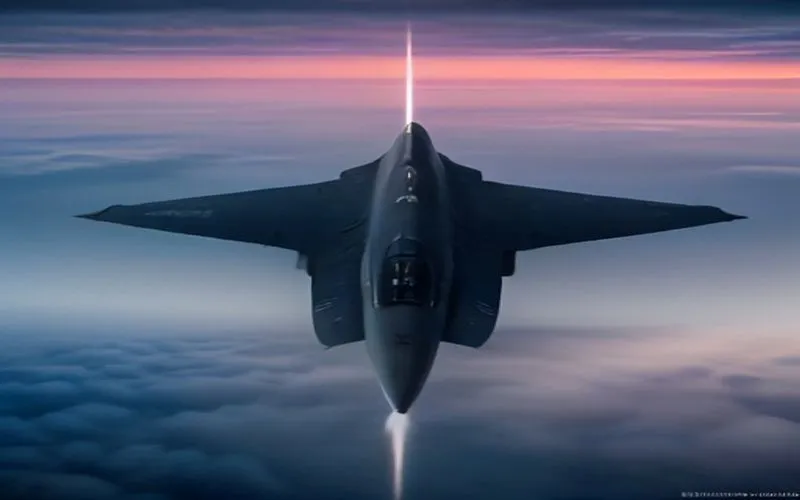
In an aggressive push to modernize its air combat capabilities and secure critical next-generation aerospace technologies, India has initiated formal discussions with France regarding potential participation in the Future Combat Air System (FCAS) program. As the global defense landscape accelerates toward advanced air combat systems, New Delhi is seeking to position itself within elite technological consortia to bypass historical delays in domestic fighter development and counter rapid regional threats, notably from China.
The Strategic Impetus Behind India's 6G Ambitions
India's Defense Ministry recently informed parliament of its concerted efforts to co-join a next-generation fighter aircraft consortium. While the nation currently relies on 4.5-generation aircraft like the French-built Rafale and pursues an indigenous fifth-generation Advanced Medium Combat Aircraft (AMCA) program, military planners recognize a critical need to leap forward. Sixth-generation fighter programs transcend traditional stealth and advanced radar by integrating loyal wingman drones, combat clouds, and revolutionary propulsion systems. By attempting to anchor a partnership with Paris, India hopes to acquire crucial industrial workshare, intellectual property access, and cutting-edge propulsion technologies that currently remain out of reach domestically.
Geopolitical Realities and the French Connection
The timing of these exploratory talks follows shifting dynamics within European defense projects, particularly after France and Germany recalibrated elements of their joint FCAS pathway. France has historically demonstrated a willingness to engage in deep defense industrial cooperation with New Delhi without imposing stringent political conditionalities typical of other defense exporters. Analysts point out that India can no longer afford to lag one or two modernization cycles behind global competitors. Collaborative frameworks with France offer a reliable bridge to critical technologies, ensuring the Indian Air Force maintains regional deterrence and qualitative parity.
Anticipated Industrial Collaboration and Future Challenges
Discussions between Indian defense officials and French counterparts are expected to center heavily on technology transfer, co-development, and joint intellectual property rights. Key areas of focus include:
- Advanced engine design and manufacturing capabilities
- Next-generation active electronically scanned array (AESA) radar systems
- Industrial workshare agreements for domestic defense manufacturing
- Integration of autonomous collaborative combat aircraft (CCAs)
While the path to fielding a sixth-generation platform remains complex and capital-intensive, forging an early alliance with a trusted partner like France represents a calculated strategic maneuver. If successful, this partnership could fundamentally reshape India's defense manufacturing ecosystem and ensure its air dominance well into the latter half of the twenty-first century.
Bu haber, Ajans Savunma editoryal standartları çerçevesinde Yapay Zeka destekli algoritmalar tarafından orijinal kaynaktaki teknik verilere sadık kalınarak yeniden derlenmiştir. Orijinal Kaynak: Defense News Global



Yorumlar (0)
Henüz yorum yapılmamış. İlk yorumu siz yapın!
Bir Yorum Bırakın