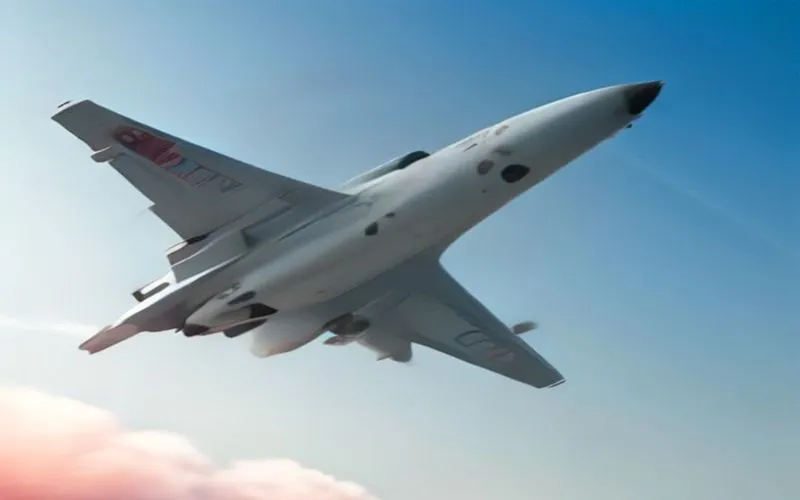
In a decisive move to modernize its military capabilities and accelerate procurement timelines, Japan has officially approved the mass production of 3D-printed interceptor drones. The Acquisition, Technology, and Logistics Agency (ATLA) selected the rocket-launched Terra B1 interceptor following successful demonstrations with the Maritime Self-Defense Forces. Developed by domestic industrial giant Terra Drone, the Terra B1 serves as the Japanese counterpart to the Terra A1 systems that have seen operational use on the battlefields in Ukraine earlier this year. This procurement represents a profound shift in how Tokyo approaches rapid defense acquisition, shrinking the tender-to-decision cycle to a mere three months compared to traditional timelines spanning up to two years.
Accelerating Defense Readiness with 3D Printing
The decision to leverage advanced 3D printing technologies is driven by an urgent operational need to counter proliferating aerial threats, such as one-way attack drones and anti-radar loitering munitions similar to the Shahed series and IAI Harpy. According to Terra Drone CEO Toru Tokushige, integrating additive manufacturing into the production cycle drastically simplifies and shortens the design and prototyping phases. This technological approach not only lowers overall manufacturing costs but also provides the manufacturing base with the critical agility needed to modify interceptor designs dynamically in response to the rapidly evolving drone technology landscape.
Resilient Supply Chains and Distributed Manufacturing
Beyond speed and cost-efficiency, the implementation of 3D printing introduces a highly resilient, decentralized production model designed to withstand modern conflict scenarios. Terra Drone plans to spread manufacturing operations across multiple decentralized locations and establish local printing farms. This distributed strategy acts as a vital precautionary measure, ensuring that the supply chain remains functional and uninterrupted even if a primary production facility becomes the target of an adversary's drone strike or kinetic attack.
A Broader Paradigm Shift in Military Logistics
The integration of 3D printing into Japan's defense industrial base mirrors a broader global trend first pioneered by the U.S. Army and Navy and heavily validated during the ongoing conflict in Ukraine, where frontline printing farms have become indispensable for producing critical drone components. Defense analysts note that Tokyo's adoption of these advanced manufacturing techniques signals a much-needed evolution in defense logistics. By embracing decentralized, additive manufacturing, Japan is positioning its military industrial complex to meet the stringent demands of its defense buildup and future export initiatives without compromising on deployment schedules.
Bu haber, Ajans Savunma editoryal standartları çerçevesinde Yapay Zeka destekli algoritmalar tarafından orijinal kaynaktaki teknik verilere sadık kalınarak yeniden derlenmiştir. Orijinal Kaynak: Defense News Global


Yorumlar (0)
Henüz yorum yapılmamış. İlk yorumu siz yapın!
Bir Yorum Bırakın