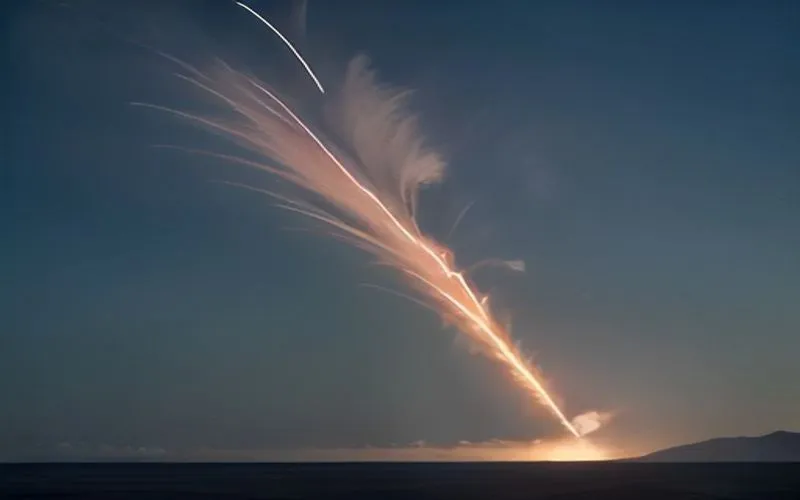
The recent impact of a discarded SpaceX Falcon 9 upper stage on the lunar surface serves as a stark reminder of the growing vulnerabilities in cislunar space. Crashing at an astonishing speed of 8,700 kilometers per hour, the uncontrolled rocket stage struck an empty region of the Moon. However, as the defense and aerospace community looks toward an era of permanent human presence on the lunar surface, relying on chance to avoid catastrophic collisions with critical infrastructure is no longer viable. With crewed landings anticipated by both the United States and China before the end of the decade, the absence of robust orbital debris and disposal frameworks poses a direct threat to national space assets and astronaut safety.
The Growing Danger of Uncontrolled Lunar Impacts
As lunar exploration accelerates, the lack of binding international regulations governing disposal in cislunar space becomes increasingly alarming. Current frameworks, such as the COSPAR planetary protection guidelines, primarily focus on preventing biological and organic contamination of scientifically sensitive zones rather than mitigating physical collision risks. When massive rocket stages or satellite components perform uncontrolled landings, they not only create hazardous craters but also eject high-velocity debris across vast distances. Furthermore, potential fuel contamination and the future deployment of nuclear reactors on the lunar surface heighten the urgency to regulate trajectory management, passivation, and hazardous material disposal meticulously.
Diplomatic Initiatives and the Role of International Standards
Although establishing legally binding international treaties remains a complex and slow-moving diplomatic challenge, several nations and space agencies are actively addressing the issue. The Artemis Accords incorporate initial principles concerning lunar sustainability, while the UK Space Agency and Japan's JAXA have initiated critical studies on debris management and disposal options. To bridge the regulatory gap, technical bodies and international committees must integrate xGEO and cislunar guidelines into existing frameworks. Organizations like the Inter-Agency Space Debris Coordinating Committee (IADC) and the International Standards Organization (ISO) offer foundational platforms to unite global stakeholders, including space powers like China and Russia, in establishing unified safety standards.
Enhancing Transparency, Data Collection, and Safety Protocols
Mitigating future risks also demands unprecedented transparency and rigorous data-sharing among commercial and governmental space operators. Governments must enforce comprehensive mission authorization regimes, ensuring that private aerospace contractors submit detailed post-mission disposal plans during the initial contracting phase. Moreover, capturing impact data—such as South Korea’s Danuri spacecraft successfully recording the recent Falcon 9 impact—provides indispensable insights into particle distribution and terrain alteration. By combining standardized sensor suites with open international cooperation, the global space community can safeguard future infrastructure and ensure the long-term sustainability of crewed lunar operations.
Bu haber, Ajans Savunma editoryal standartları çerçevesinde Yapay Zeka destekli algoritmalar tarafından orijinal kaynaktaki teknik verilere sadık kalınarak yeniden derlenmiştir. Orijinal Kaynak: SpaceNews



Yorumlar (0)
Henüz yorum yapılmamış. İlk yorumu siz yapın!
Bir Yorum Bırakın