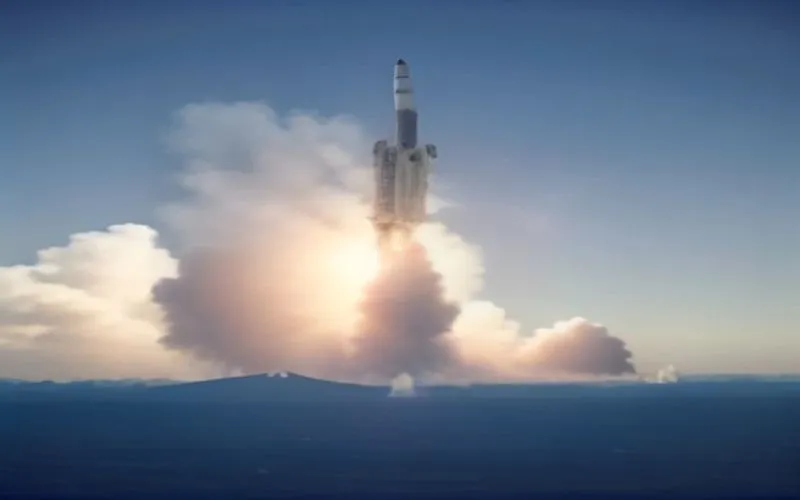
In an increasingly constrained global launch market, satellite operators are placing heightened emphasis on securing future launch capacity for their orbital assets. During recent second-quarter earnings calls, executives across the aerospace sector highlighted the importance of locked-in launch agreements, reassuring investors and customers despite growing uncertainties regarding vehicle availability, schedule slips, and geopolitical supply chain pressures impacting both commercial and dual-use defense architectures.
The Impact of Launch Vehicle Bottlenecks on Constellation Deployment
The global race to space has intensified vehicle bottlenecks, forcing satellite operators to plan years in advance. For companies deploying broadband constellations and reconnaissance networks, unexpected disruptions can severely alter deployment timelines. For instance, recent incidents involving heavy-lift launch vehicles have created cascading delays across the industry. Satellite operators relying on these platforms are forced to pivot toward alternative providers or adjust their commercial service rollout schedules significantly.
Mitigating Risks Through Multi-Provider Strategies
To counter ongoing supply chain vulnerabilities and vehicle groundings, operators are actively diversifying their launch portfolios. Companies are evaluating alternative heavy and medium-lift rockets, such as United Launch Alliance’s Vulcan or emerging vehicles from providers like Firefly Aerospace, Stoke Space, and Rocket Lab. Furthermore, corporate strategies now frequently involve exploring vertical integration, strategic partnerships, and potential acquisitions to internalize launch capabilities and shield operations from third-party volatility.
Long-Term Outlook for Rideshare and Dedicated Missions
Concerns over the long-term availability of rideshare programs—such as potential reductions or shifts in dedicated smallsat rideshare missions by industry giants—have prompted companies like HawkEye 360 and Spire Global to lock in manifest slots through 2028. While near-term operations remain stable for firms with pre-booked capacity, the industry faces open questions regarding launch economics and vehicle access toward the end of the decade, driving continuous innovation and investment in emerging launch ecosystems.
Bu haber, Ajans Savunma editoryal standartları çerçevesinde Yapay Zeka destekli algoritmalar tarafından orijinal kaynaktaki teknik verilere sadık kalınarak yeniden derlenmiştir. Orijinal Kaynak: SpaceNews



Yorumlar (0)
Henüz yorum yapılmamış. İlk yorumu siz yapın!
Bir Yorum Bırakın