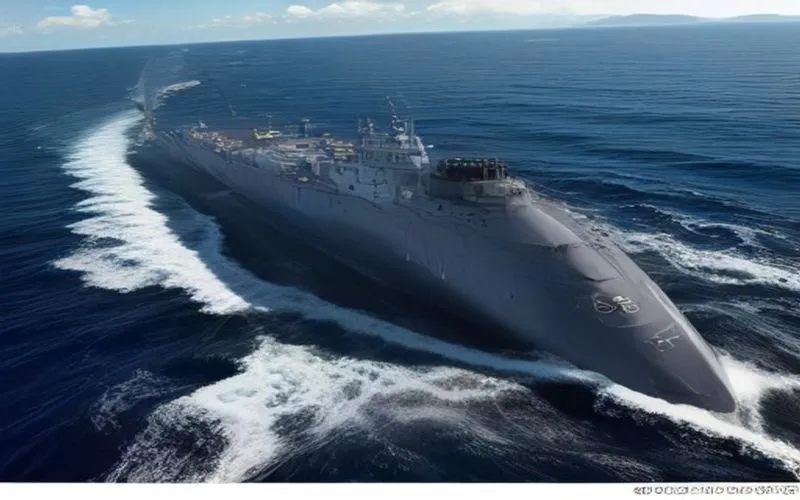
The Republic of Korea (ROK) Navy has officially integrated the first PKX-B Batch-II fast patrol craft into its active fleet, marking a significant milestone in the ongoing modernization of South Korea's naval forces. Built to replace the aging Chamsuri-class patrol boats, the new generation of patrol vessels is designed to operate effectively in high-threat littoral environments, providing superior firepower, advanced situational awareness, and enhanced survivability against asymmetric threats.
Enhanced Combat Systems and Integration
The PKX-B Batch-II program introduces critical technological upgrades compared to its predecessor Batch-I vessels. The new fast patrol craft features a highly sophisticated combat management system that seamlessly integrates various sensors and weapon suites. This modernization ensures faster reaction times during engagement scenarios in contested waters. Furthermore, the vessel is equipped with advanced anti-jamming electronic protection capabilities, ensuring robust communications and radar operations even in heavy electronic warfare environments where adversaries might attempt to disrupt command and control nodes.
Firepower and Operational Capabilities
In terms of offensive and defensive capabilities, the PKX-B Batch-II platform packs a powerful punch for its relatively compact displacement. The ship carries a modernized main gun system capable of high-rate-of-fire precision strikes against fast-attack craft and surface targets. Additionally, the integration of guided tactical surface-to-surface missiles and localized defense systems allows the patrol craft to deter hostile incursions effectively. Improved hull design and propulsion systems also contribute to better sea-keeping, higher top speeds, and greater operational endurance during extended missions along the Northern Limit Line (NLL).
Strategic Significance for the ROK Navy
The introduction of the PKX-B Batch-II fast patrol craft aligns with South Korea's broader defense strategy to maintain absolute naval superiority in coastal waters and deter provocations from neighboring adversaries. As maritime security dynamics in the Indo-Pacific region continue to evolve, the ROK Navy is heavily investing in indigenous shipbuilding programs that prioritize automation, reduced crew sizes, and networked warfare. The successful delivery of this lead ship paves the way for subsequent batch production, which will eventually form the backbone of South Korea's near-shore defense architecture for decades to come.
Bu haber, Ajans Savunma editoryal standartları çerçevesinde Yapay Zeka destekli algoritmalar tarafından orijinal kaynaktaki teknik verilere sadık kalınarak yeniden derlenmiştir. Orijinal Kaynak: Naval News (Global)



Yorumlar (0)
Henüz yorum yapılmamış. İlk yorumu siz yapın!
Bir Yorum Bırakın