President Donald Trump has directed the Pentagon to significantly curtail joint military exercises with South Korea, marking a notable shift in Indo-Pacific defense strategy. Citing the high costs associated with the drills and friction over regional security commitments, the directive has introduced fresh uncertainty into the decades-long military alliance. The announcement comes as approximately 18,000 South Korean military personnel were slated to begin the annual Ulchi Freedom Shield exercises, a cornerstone of the combined defense posture against regional threats.
Geopolitical Motivations and Strategic Calculations
The decision to scale back the military drills is closely tied to broader strategic objectives, particularly Trump's ongoing desire to pursue direct diplomacy with North Korean leader Kim Jong Un. Over the years, joint exercises have routinely been condemned by Pyongyang as provocative rehearsals for an invasion. By reducing the scale or shifting further toward computer simulations, the administration may be attempting to open diplomatic channels with North Korea, especially as Pyongyang deepens its military alignment with Russia.
However, defense analysts remain skeptical about whether a sudden reduction in exercises will alter North Korea's strategic calculus, particularly given its recent advancements in intercontinental ballistic missile capabilities. Furthermore, the decision underscores ongoing friction regarding burden-sharing arrangements for the 28,500 U.S. troops stationed in South Korea, as well as broader economic and trade disagreements between Washington and Seoul.
The Evolution of Combined Military Exercises
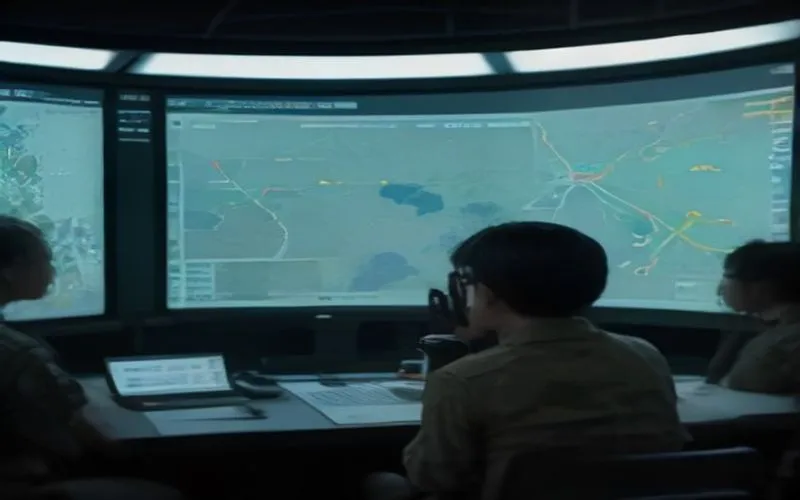
In recent years, the nature of U.S.-South Korean military training has evolved substantially. To facilitate diplomatic openings and reduce regional tensions, large-scale live-fire maneuvers have increasingly given way to computer-simulated missile and cyberattacks. These simulated exercises allow military commands to test readiness, command-and-control frameworks, and tactical responses without deploying heavy combat assets near the Demilitarized Zone.
Despite the planned reductions, military officials from both nations emphasize that coordination on combined defense postures remains vital. South Korea's presidential office noted that Seoul continues to review its defense readiness while balancing domestic legal procedures and regional stability. Defense planners must carefully navigate these political shifts to ensure that readiness levels are not compromised amid evolving threats from ballistic missile programs and cyber warfare vectors.
Broader Regional and Global Implications
The friction between Washington and Seoul extends beyond traditional peninsular defense. Reports indicate that tensions were exacerbated by disagreements over broader international security cooperation, including approaches to the Middle East. As geopolitical alignments shift globally, the resilience of traditional alliances is being tested by competing economic interests and divergent foreign policy priorities.
- Strategic realignment aimed at opening diplomatic channels with Pyongyang.
- Ongoing reliance on computer simulations for joint operational readiness.
- Financial and economic disputes complicating bilateral defense commitments.
Ultimately, while the immediate focus remains on restructuring military drills, the long-term impact on the U.S.-South Korea alliance will depend on how effectively both nations manage their strategic differences while maintaining a credible deterrent against nuclear-armed adversaries in the region.
Bu haber, Ajans Savunma editoryal standartları çerçevesinde Yapay Zeka destekli algoritmalar tarafından orijinal kaynaktaki teknik verilere sadık kalınarak yeniden derlenmiştir. Orijinal Kaynak: Defense News Global


Yorumlar (0)
Henüz yorum yapılmamış. İlk yorumu siz yapın!
Bir Yorum Bırakın