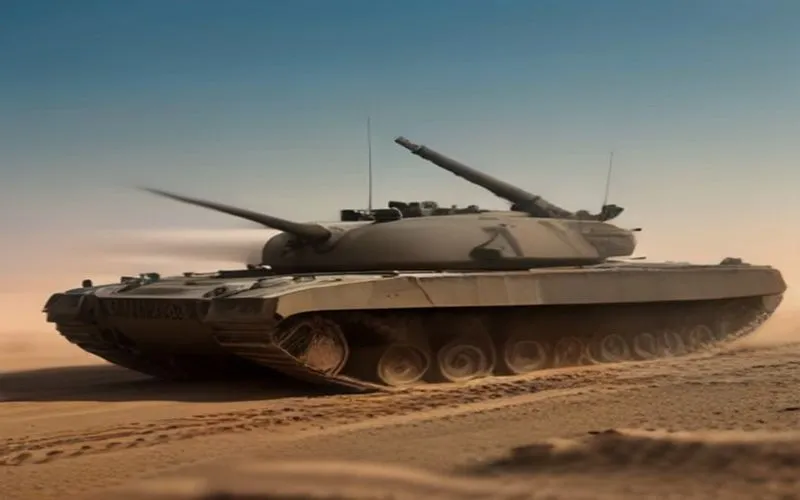
The United States Army ground units are facing a critical logistical hurdle as energy-intensive technologies proliferate across modern combat formations. Speaking at the Ground Vehicle Systems Engineering and Technology Symposium (GVSETS) keynote address in Detroit, senior military leadership issued a stark warning to defense industry partners: current vehicle fleets lack the exportable electrical power required to sustain modern warfare. Brig. Gen. Troy Denomy, program acquisition executive for maneuver, emphasized that nearly every tactical formation is heavily underpowered as advanced weapon systems enter service.
The Growing Power Deficit on the Modern Battlefield
As the military introduces sophisticated counter-Unmanned Aerial Systems (c-UAS), next-generation command and control (C2) architectures, and advanced electronic warfare equipment, legacy combat platforms are straining under the electrical load. Vehicles such as the M1A2 Abrams tanks, Bradley Fighting Vehicles, and various tactical wheeled vehicles were originally designed decades ago without the internal electrical capacity to continuously charge and operate these high-draw systems. Brigade commanders report having to actively meter drone operations based strictly on available power regeneration cycles rather than tactical mission requirements.
Why Traditional Generators and Batteries Fail
For years, tactical generators and extra battery packs have served as the default stopgap for power deficits. However, leadership argues these traditional methods are no longer viable in high-threat operational environments. Alex Miller, the Army's chief technology officer, highlighted that standard fuel generators create significant acoustic, visual, and thermal signatures, making combat outposts and vehicles easy targets for enemy reconnaissance and precision strike assets.
Similarly, simply issuing more disposable or rechargeable batteries to soldiers creates an unacceptable physical burden. Infantry troops already carry immense weight during dismounted operations, and encumbering them further degrades combat effectiveness and mobility in high-intensity combat scenarios.
Industry Solutions and Next-Generation Platforms
While next-generation platforms currently in development—such as the XM30 combat vehicle destined to replace the Bradley, and the redesigned M1E3 Abrams—are being engineered with robust exportable power architecture, the legacy fleet requires urgent attention. The Army is actively looking toward advanced technologies like fuel cells and innovative power management systems to bridge this gap. Furthermore, military officials have challenged industry innovators to look beyond traditional liquid fuels, recognizing that energy density and efficient battlefield power distribution remain paramount to maintaining tactical dominance in future multi-domain conflicts.
Bu haber, Ajans Savunma editoryal standartları çerçevesinde Yapay Zeka destekli algoritmalar tarafından orijinal kaynaktaki teknik verilere sadık kalınarak yeniden derlenmiştir. Orijinal Kaynak: Breaking Defense



Yorumlar (0)
Henüz yorum yapılmamış. İlk yorumu siz yapın!
Bir Yorum Bırakın