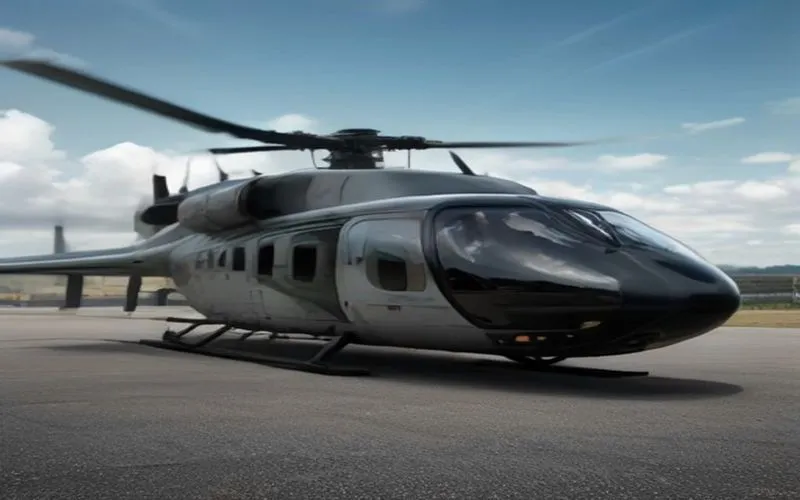
The U.S. Army is set to overhaul its approach to training rotary-wing aviators through an ambitious initiative known as Flight School Next. At the core of this sweeping modernization effort is the adoption of the Robinson R66 Turbine helicopter as the primary trainer for entry-level pilots. The program marks a significant departure from historical training fleets, aiming to foster better foundational airmanship and reduce long-term operational costs.
The Flight School Next Initiative and Contract Details
The U.S. Army awarded M1 Support Services a potentially $10-billion contract to establish and manage the new training enterprise at Fort Rucker, Alabama. Operating under a contractor-owned, contractor-operated (COCO) model, M1 will supply the aircraft, maintenance, simulators, and comprehensive academic instruction. The program is designed to train between 800 and 1,500 Army helicopter pilots annually, replacing or streamlining the current Initial Entry Rotary-Wing Flight Training pipeline.
The multi-decade contract reflects a long-term commitment to modernizing military aviation instruction. M1's winning bid utilizing the R66 successfully outcompeted rival proposals, including Bell's offering of the Model 505 helicopter. The transition phase will span several years to seamlessly integrate the new training architecture without disrupting overall aviator output.
Transitioning from Complex Automation to Flight Fundamentals
For years, the Army's primary training fleet relied on the Airbus Helicopters UH-72A Lakota, a twin-engine aircraft equipped with extensive automation and advanced avionics. While highly capable, military officials and flight instructors observed that heavy reliance on complex automated systems could sometimes act as a crutch for inexperienced student pilots. By shifting to the lighter, single-engine Robinson R66, the Army intends to force students to master fundamental aircraft handling, basic flight physics, and manual control before advancing to sophisticated frontline combat rotorcraft.
- Return to basic aerodynamic and handling principles
- Enhanced focus on visual and instrument flight techniques
- Improved tactical mission planning and terrain flight familiarity
- Reduction in future aviation mishaps linked to automation dependency
Technical Profile of the Robinson R66 Trainer
The Robinson R66 Turbine is a five-seat light commercial helicopter powered by a Rolls-Royce RR300 turboshaft engine. Known for its simplicity, high reliability, and low operating costs, the R66 shares a design lineage with Robinson's popular piston-powered R44. Equipped with modern Garmin avionics, the cockpit provides students with digital situational awareness while maintaining a stripped-down, traditional flight environment that demands active piloting skills.
Beyond basic pilot training, variants of the R66 airframe are also gaining traction across other branches of the U.S. military. For instance, the uncrewed "Turbinetruck" variant incorporates Sikorsky's MATRIX autonomy system and is currently being evaluated by the U.S. Marine Corps for autonomous cargo resupply missions in contested environments. These parallel developments highlight the growing versatility and strategic footprint of the R66 platform within modern defense logistics and training ecosystems.
Bu haber, Ajans Savunma editoryal standartları çerçevesinde Yapay Zeka destekli algoritmalar tarafından orijinal kaynaktaki teknik verilere sadık kalınarak yeniden derlenmiştir. Orijinal Kaynak: The War Zone (Global)



Yorumlar (0)
Henüz yorum yapılmamış. İlk yorumu siz yapın!
Bir Yorum Bırakın