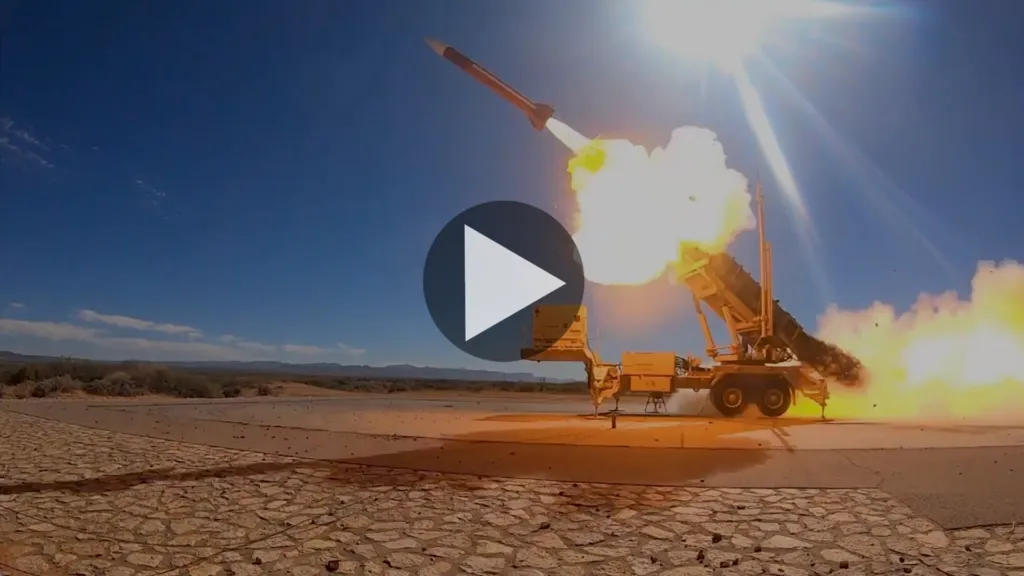
In an era defined by rapidly advancing global missile technologies, the US Army Space and Missile Defense Command (SMDC) continues to refine its strategic posture through technological innovation and structural adaptation. Recent insights from the leadership in Huntsville, Alabama, shed light on how the military branch is actively enhancing its capabilities to deter peer adversaries. At the core of this strategy is a deliberate shift toward a multi-layered defense architecture that relies on a heterogeneous mix of defensive effectors rather than a single standardized solution.
The Strategic Value of Diverse Interceptor Inventories
Modern battlefield environments feature an array of complex threats, ranging from hypersonic glide vehicles and advanced ballistic missiles to swarming unmanned aerial systems (UAS) and low-flying cruise missiles. Relying on a single type of interceptor creates a tactical vulnerability that sophisticated opponents can exploit through saturation tactics or electromagnetic countermeasures. By incorporating a diverse portfolio of interceptors, the Army ensures operational flexibility. Each system within the architecture is optimized for specific engagement parameters, including altitude, speed, radar cross-section, and cost-per-engagement ratios.
Modernization Pathways and Future Capabilities
Modernization within SMDC extends beyond simply procuring new hardware; it encompasses a holistic upgrade of command, control, communications, computers, cyber, intelligence, surveillance, and reconnaissance (C5ISR) networks. Integrating advanced sensors with decentralized launcher units allows for real-time target handoffs and optimized interceptor allocation. Furthermore, the integration of artificial intelligence and machine learning algorithms helps operators parse massive volumes of telemetry data during high-stress operational scenarios, drastically reducing human reaction times against hypersonic threats.
Addressing Industrial Base and Supply Chain Challenges
Achieving a robust and modernized missile defense posture requires unwavering support from the defense industrial base. The transition from legacy production lines to advanced manufacturing techniques has introduced both opportunities and bottlenecks. Leadership emphasizes the necessity of long-term predictable funding, supply chain resilience, and public-private partnerships to scale up production capacity. As geopolitical tensions demand higher stockpiles of precision-guided munitions and specialized interceptors, strengthening domestic manufacturing capabilities remains a top priority for sustained national security.
Bu haber, Ajans Savunma editoryal standartları çerçevesinde Yapay Zeka destekli algoritmalar tarafından orijinal kaynaktaki teknik verilere sadık kalınarak yeniden derlenmiştir. Orijinal Kaynak: Breaking Defense



Yorumlar (0)
Henüz yorum yapılmamış. İlk yorumu siz yapın!
Bir Yorum Bırakın