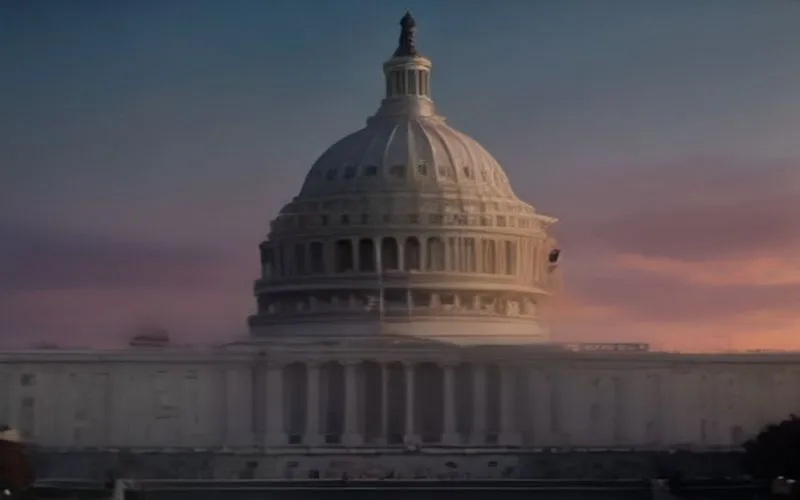
As lawmakers return to Capitol Hill following the annual August recess, the legislative branch faces an intensely compressed timeline to secure vital funding for the Department of Defense. At the center of this legislative sprint is the impending passage of a continuing resolution (CR), a temporary funding measure designed to keep federal operations and military programs running while full-year appropriations bills are negotiated. However, deep-seated partisan divisions and misaligned timelines between the House of Representatives and the Senate threaten to complicate an already precarious fiscal outlook for the United States military.
The Ticking Clock on Pentagon Funding
The primary driver of urgency for defense lawmakers is the end of the fiscal year, leaving only a matter of weeks to enact a stopgap measure before government funding expires. Without a continuing resolution in place, the Pentagon faces severe disruptions, including the freezing of new procurement programs, delays in critical research and development initiatives, and uncertainties surrounding military personnel pay. Defense analysts have consistently warned that relying on prolonged CRs forces the Department of Defense to operate under outdated budget constraints, ultimately harming long-term military readiness and strategic modernization efforts.
House and Senate Schedule Discrepancies
Compounding the legislative challenge is the distinct lack of overlap between the operational calendars of the House and the Senate. While both chambers must ultimately agree on the exact wording and terms of any spending legislation, their differing approaches to fiscal year appropriations and legislative priorities often result in a persistent gridlock. The House, driven by conservative demands for deep spending cuts and policy riders, frequently adopts measures that face staunch resistance in the Senate. This misalignment drastically reduces the window for meaningful compromise, raising the specter of a last-minute legislative standoff that could trigger a partial government shutdown.Strategic Implications for US National Security
The ongoing budgetary uncertainty on Capitol Hill does not merely affect domestic administrative functions; it carries profound implications for global security and allied partnerships. Prolonged funding delays directly impact ongoing military assistance programs, joint exercises, and the procurement of advanced defense platforms necessary to counter near-peer competitors. As geopolitical tensions remain elevated across multiple theaters, foreign adversaries closely monitor Washington's internal political struggles for signs of weakness or strategic paralysis. Consequently, defense leaders continue to urge Congress to set aside partisan differences, pass a clean continuing resolution, and swiftly enact full-year defense appropriations to ensure uninterrupted support for national security objectives.
Bu haber, Ajans Savunma editoryal standartları çerçevesinde Yapay Zeka destekli algoritmalar tarafından orijinal kaynaktaki teknik verilere sadık kalınarak yeniden derlenmiştir. Orijinal Kaynak: Breaking Defense



Yorumlar (0)
Henüz yorum yapılmamış. İlk yorumu siz yapın!
Bir Yorum Bırakın