The U.S. military presence in the Indo-Pacific has reached a significant milestone as the Marine Rotation Force-Darwin (MRF-D) completed its certification as a Special Purpose Marine Air-Ground Task Force (SPMAGTF). Marking the 15th year of Marine deployments to Australia, this year's rotation introduces a heightened level of operational readiness, strategic flexibility, and multi-domain warfare capability. Commanded by Col. George Flynn, the task force operates with approximately 2,000 to 2,500 personnel, incorporating units such as the California-based 1/5 Marines and Hawaii-based MV-22B Ospreys to maintain an aggressive operational tempo across the theater.
Expanding Operational Reach and Regional Interoperability
The newly minted SPMAGTF designation validates the unit's capability to execute a diverse spectrum of operations, ranging from full-scale combat engagements to humanitarian assistance and disaster relief. During the current rotation, personnel have maintained a high operational tempo, participating in around 13 planned exercises, activities, and deployments across six to seven countries. These operations span the Philippines, Indonesia, Tahiti in cooperation with French forces, and extensive joint maneuvers across the Australian continent.
Operating closely with the Australian Army's 1st and 3rd Brigades has fostered deep tactical synergy, particularly with the 1st Brigade's focus on littoral warfare. This partnership allows both forces to refine best practices, test distributed operations, and demonstrate seamless operational reach. Despite the logistical challenges of managing far-flung, simultaneous deployments, the task force has successfully maintained its peak readiness levels throughout the six-month rotation, leveraging Australia's expansive training domains.
Integrating Modern Combat Tech and Unmanned Systems
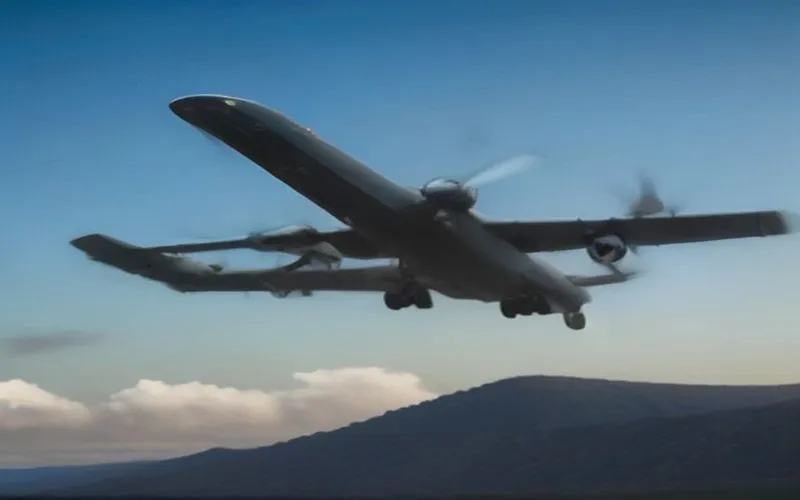
In alignment with modern defense evolution, the MRF-D has actively experimented with advanced technological capabilities, focusing heavily on small unmanned aerial systems (UAS) and first-person-view (FPV) one-way attack drones. Recent live-fire exercises in the Philippines and Australia highlighted the integration of these tactical aerial systems alongside logistics-based drones designed to streamline supply chains in austere environments. Furthermore, robust command-and-control (C2) frameworks utilizing satellite and high-frequency communication links ensure uninterrupted connectivity across all supporting echelons.
Strategic Significance in the Indo-Pacific
Ultimately, the continuous presence and rapid adaptability of the MRF-D underscore the United States' enduring commitment to a free and open Indo-Pacific. By respecting regional sovereignty while maintaining a high state of combat readiness and crisis response, the deployed Marines and sailors reinforce alliance networks with key regional partners. As the current deployment approaches its conclusion ahead of northern Australia's wet season, the validated SPMAGTF framework sets a new operational benchmark for future Pacific rotations.
Bu haber, Ajans Savunma editoryal standartları çerçevesinde Yapay Zeka destekli algoritmalar tarafından orijinal kaynaktaki teknik verilere sadık kalınarak yeniden derlenmiştir. Orijinal Kaynak: Defense News Global



Yorumlar (0)
Henüz yorum yapılmamış. İlk yorumu siz yapın!
Bir Yorum Bırakın