AJANS SAVUNMA | DEFENSE & STRATEGY | 31.08.2026 06:07
USD/TRY 48.25 EUR/TRY 55.96 BIST 100 101,729 BTC/USD $77,532
BREAKING
F-35 Program Costs Surge Past $536 Billion Amid Modernization Delays Civil Aviation and Defense Logistics: Analyzing Strategic Challenges at TGS Sweden Deploys Gripen Fighters and Warships to Protect Finland Until 2026 Saab Completes Maiden Flight of Two-Seater Gripen F Fighter Jet ESA Awards First Contracts for European Launcher Challenge to Boost Space Access U.S. Army Lasers Successfully Neutralize Cartel Drones in Combat Test STM Highlights Advanced Capabilities and Global Success of Türkiye's First National Loitering Munition KARGU MKE Hosts Inaugural FPV Drone Tracking Competition to Advance Anti-Drone Tech US Air Force Expands B-52 Bomber Infrastructure at Spain's Moron Air Base Indonesia Secures First Aircraft Carrier As Former Italian Warship En Route US Air Force Awards Boeing Massive $131 Billion F-15 Contract Military Deploys Advanced Directed Energy Systems to Counter Border Drone Threats Finland and Sweden Forge Strategic Counter-Drone and Border Defense Pact Air Forces Cyber Develops New Defensive Campaign Plan Against AI Threats Turaç Unveils Innovative 5.56mm Anti-Drone Cartridge for Enhanced C-UAS Operations F-35 Program Costs Surge Past $536 Billion Amid Modernization Delays Civil Aviation and Defense Logistics: Analyzing Strategic Challenges at TGS Sweden Deploys Gripen Fighters and Warships to Protect Finland Until 2026 Saab Completes Maiden Flight of Two-Seater Gripen F Fighter Jet ESA Awards First Contracts for European Launcher Challenge to Boost Space Access U.S. Army Lasers Successfully Neutralize Cartel Drones in Combat Test STM Highlights Advanced Capabilities and Global Success of Türkiye's First National Loitering Munition KARGU MKE Hosts Inaugural FPV Drone Tracking Competition to Advance Anti-Drone Tech US Air Force Expands B-52 Bomber Infrastructure at Spain's Moron Air Base Indonesia Secures First Aircraft Carrier As Former Italian Warship En Route US Air Force Awards Boeing Massive $131 Billion F-15 Contract Military Deploys Advanced Directed Energy Systems to Counter Border Drone Threats Finland and Sweden Forge Strategic Counter-Drone and Border Defense Pact Air Forces Cyber Develops New Defensive Campaign Plan Against AI Threats Turaç Unveils Innovative 5.56mm Anti-Drone Cartridge for Enhanced C-UAS Operations
Strateji & Analiz

US Navy Faces Major Risks as White House Pushes Return to Steam Catapults on Ford Class Carriers

President Trump has directed the U.S. Navy to develop a plan within 60 days to replace electromagnetic catapults and weapons elevators with steam and hydraulic systems on future Ford-class aircraft carriers. This controversial shift risks causing severe delivery delays and compounding existing shipbuilding crises.

KISA CEVAP & HABERİN ÖZETİ

President Trump has directed the U.S. Navy to develop a plan within 60 days to replace electromagnetic catapults and weapons elevators with steam and hydraulic systems on future Ford-class aircraft carriers. This controversial shift risks causing severe delivery delays and compounding existing shipbuilding crises.

US Navy Faces Major Risks as White House Pushes Return to Steam Catapults on Ford Class Carriers

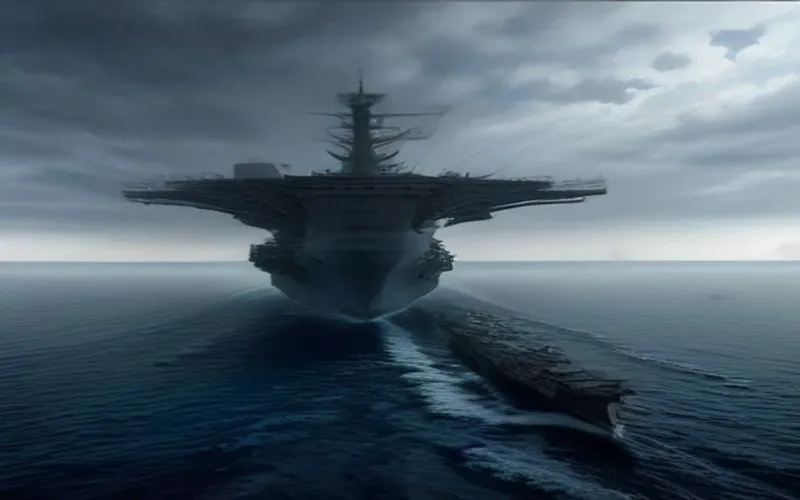
President Donald Trump has given the U.S. Navy and the Pentagon a strict 60-day deadline to formulate a plan for installing traditional steam-powered catapults and hydraulic elevators on the future Ford-class aircraft carrier USS Doris Miller (CVN-81). For nearly a decade, political debates have surrounded the reliability and maintenance struggles of the Electromagnetic Aircraft Launch System (EMALS) and Advanced Weapons Elevators (AWE) central to the Gerald R. Ford-class design. Reverting back to legacy steam and hydraulic systems on future hulls would demand a comprehensive redesign, threatening to plunge an already strained naval shipbuilding sector into deeper scheduling and logistical crises.

The White House Directive and Fleet Implications

The directive regarding CVN-81's launch and handling systems is embedded in a broad White House memorandum titled “Rebuilding the United States Navy and America’s Shipbuilding Industrial Base.” According to the directive, the Secretary of Defense—in consultation with the Secretary of the Navy—must submit a detailed plan covering timelines and resource allocations to transition away from electromagnetic systems. While the first three ships of the Ford class are expected to retain EMALS and AWE, the proposed redesign could fundamentally alter subsequent carriers, including the future USS William J. Clinton and USS George W. Bush.

Weighing Technological Advancements Against Maintenance Hurdles

Proponents of EMALS and the Advanced Arresting Gear (AAG) argue that software-controlled electromagnetic systems offer significant tactical advantages over Nimitz-class steam catapults. These include faster reset times, finer force adjustments to accommodate smaller or more fragile aircraft, and enhanced safety margins critical for future carrier-based drone operations. Additionally, electromagnetic weapons elevators are designed to accelerate ordnance movement to the flight deck. However, Pentagon testing reports and annual assessments have repeatedly highlighted persistent reliability challenges, heavy reliance on contractor technical support, and difficulties achieving desired sortie generation rates.

  • EMALS provides fine-tuned launch forces, reducing wear and tear on airframes.
  • Software-driven systems facilitate integration with future uncrewed combat aerial vehicles.
  • Legacy steam systems offer five decades of proven, predictable reliability.

Industrial Capacity and Schedule Delays

Implementing a fundamental engineering shift to accommodate steam piping and massive piston systems in spaces optimized for electromagnetic architecture would require extensive structural redesigns. Newport News Shipbuilding, the nation's sole builder of nuclear-powered surface warships, is already managing severe delays and backlog issues. Deliveries for carriers like the future USS John F. Kennedy (CVN-79) and USS Enterprise (CVN-80) have slipped significantly due to limited shipyard space and workforce constraints. Introducing a major configuration change at this stage introduces profound risks to fleet readiness and operational timelines.

Bu haber, Ajans Savunma editoryal standartları çerçevesinde Yapay Zeka destekli algoritmalar tarafından orijinal kaynaktaki teknik verilere sadık kalınarak yeniden derlenmiştir. Orijinal Kaynak: The War Zone (Global)

🛡️ EDİTÖRYAL ŞEFFAFLIK VE DOĞRULAMA

Haber Kaynağı: The War Zone (Global)

Yayın Tarihi: | Son Güncelleme:

Yapay Zeka Destekli Derleme: Bu içerik, Ajans Savunma editoryal standartları ve yapay zeka algoritmaları gözetiminde açık kaynak istihbaratı ve doğrulanmış savunma bültenlerinden sentezlenmiştir.

Maddi bir hata veya düzeltme talebiniz için lütfen Düzeltme Politikamızı inceleyiniz veya editor@ajanssavunma.com üzerinden editoryal masamıza ulaşınız.

Comments (0)

No comments yet. Be the first to comment!

Leave a Comment