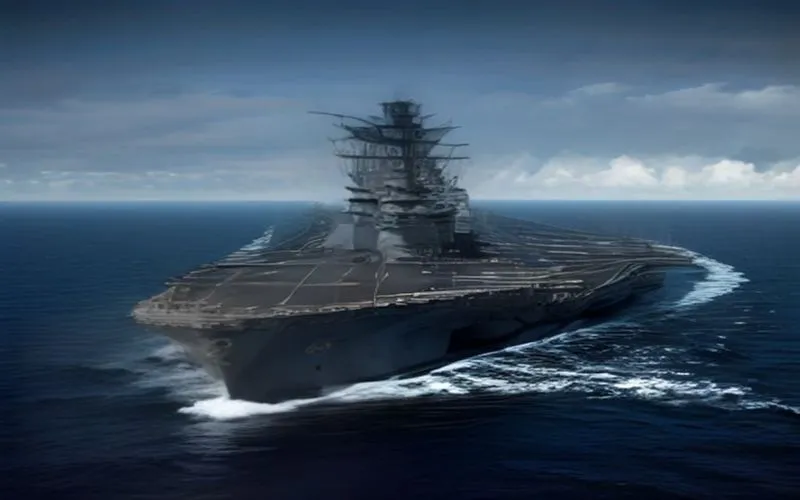
The United States Navy's nuclear-powered supercarrier, the USS Abraham Lincoln, is scheduled to make a highly anticipated port call in Thailand next week. This diplomatic and operational stop comes after a grueling, extended deployment in the Middle East that shattered modern records for consecutive days spent at sea without a port visit. Transporting a complement of approximately 5,000 sailors and Marines, the carrier strike group will utilize the brief stay in eastern Thailand primarily for crew rest, recuperation, and essential logistical resupply.
Record-Breaking Deployment in the Middle East
Originally departing from its home port in San Diego back in November, the USS Abraham Lincoln was redirected to the Middle East theater to support critical U.S. military operations amidst escalating regional tensions involving Iran and allied defense efforts. The grueling mission eclipsed the 200-day mark without a single port of call, a stretch that drew scrutiny from lawmakers and media outlets regarding operational tempo and crew welfare. Family members of deployed personnel recently raised concerns regarding crew morale and the psychological toll of the unprecedented operational continuity, though defense officials have strongly defended the ship's readiness and command conditions.
Strategic Partnership Between the US and Thailand
The upcoming visit underscores the enduring defense alliance between the United States and the Kingdom of Thailand. Thailand remains a foundational security partner for Washington in mainland Southeast Asia, holding formal treaty ally status since 1954 and designated as a major non-NATO ally since 2003. While local Thai naval authorities confirmed the carrier strike group's arrival for routine logistical support and crew wellness, they explicitly noted that no bilateral military exercises are scheduled during this specific stop, prioritizing security and relaxation.
Logistical Significance for the Carrier Strike Group
Beyond human factors, prolonged deployments heavily tax the mechanical and logistical systems of modern naval assets. A port call of this magnitude allows technical teams to conduct intermediate-level maintenance, replenish fresh food supplies, and offload waste accumulated over months of blue-water operations. As the U.S. Navy continues to manage high global operational demands across multiple regional commands, managing sailor wellness and hardware endurance remains a paramount strategic imperative for maintaining maritime dominance.
Bu haber, Ajans Savunma editoryal standartları çerçevesinde Yapay Zeka destekli algoritmalar tarafından orijinal kaynaktaki teknik verilere sadık kalınarak yeniden derlenmiştir. Orijinal Kaynak: Defense News Global



Yorumlar (0)
Henüz yorum yapılmamış. İlk yorumu siz yapın!
Bir Yorum Bırakın