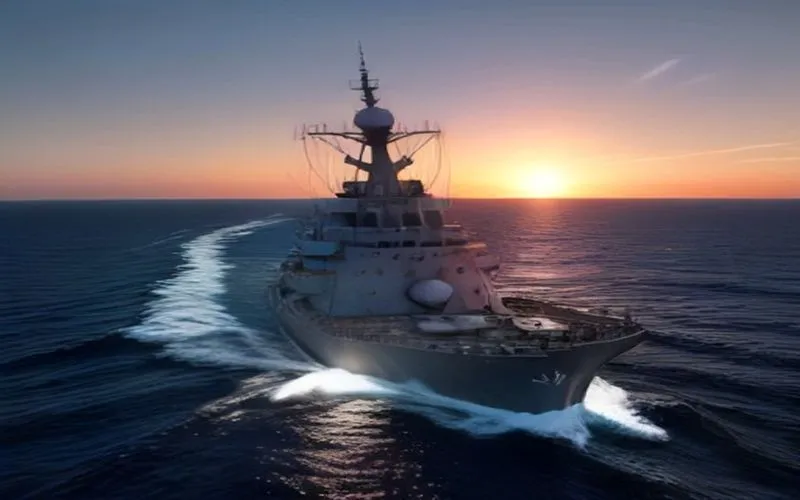
Recent discussions surrounding the future of United States military capabilities have brought two critical areas into sharp focus: naval fleet expansion and advanced missile defense architectures. In a recent analysis by defense journalists, experts dissected a comprehensive national security memo detailing sweeping initiatives for US Navy shipbuilding. These proposed overhauls aim to address critical capacity bottlenecks, modernize shipyard infrastructure, and counter rapidly evolving maritime threats in contested waters globally.
Transforming US Navy Shipbuilding Strategies
The national security memorandum introduces unconventional pathways to accelerate naval construction and maintenance. Addressing aging industrial bases and supply chain vulnerabilities remains paramount for military leaders. Analysts note that introducing flexibility into traditional procurement cycles could significantly enhance fleet readiness. However, achieving these ambitious targets requires overcoming longstanding challenges related to skilled labor shortages and manufacturing capacity within major domestic shipyards.
Highlights from the Space and Missile Defense Symposium
Shifting focus to regional and strategic deterrence, the recent Space and Missile Defense (SMD) Symposium in Huntsville, Alabama, served as a premier showcase for advanced military hardware. Industry leaders and military officials gathered to review cutting-edge concepts designed to counter complex aerospace threats. Key exhibits emphasized layered defense systems capable of intercepting ballistic and hypersonic weapons, which represent an increasing concern for global security.
Next-Generation Interceptors and Hypersonic Defense
Among the standout technologies featured on the exhibition floor were advanced interceptor systems and sensor integration platforms:
- Glide Phase Interceptor (GPI): Northrop Grumman's design aimed at countering regional hypersonic missile threats during their vulnerable glide phase.
- Advanced Sensors: Raytheon’s LTAMDS (Lower Tier Air and Missile Defense Sensor) providing enhanced tracking capabilities.
- Strategic Interceptors: Display models highlighting the capabilities of PAC-3 and THAAD systems alongside the SM-3.
- Counter-UAS Solutions: Innovative electronic warfare and radio frequency counter-drone technologies addressing asymmetric aerial threats.
Ultimately, these developments across naval and missile defense sectors underscore the Pentagon's strategic pivot toward multi-domain dominance. As defense acquisition policies evolve to meet future conflict scenarios, the integration of innovative engineering and robust industrial capacity will dictate the success of America's military modernization programs.
Bu haber, Ajans Savunma editoryal standartları çerçevesinde Yapay Zeka destekli algoritmalar tarafından orijinal kaynaktaki teknik verilere sadık kalınarak yeniden derlenmiştir. Orijinal Kaynak: Breaking Defense



Comments (0)
No comments yet. Be the first to comment!
Leave a Comment