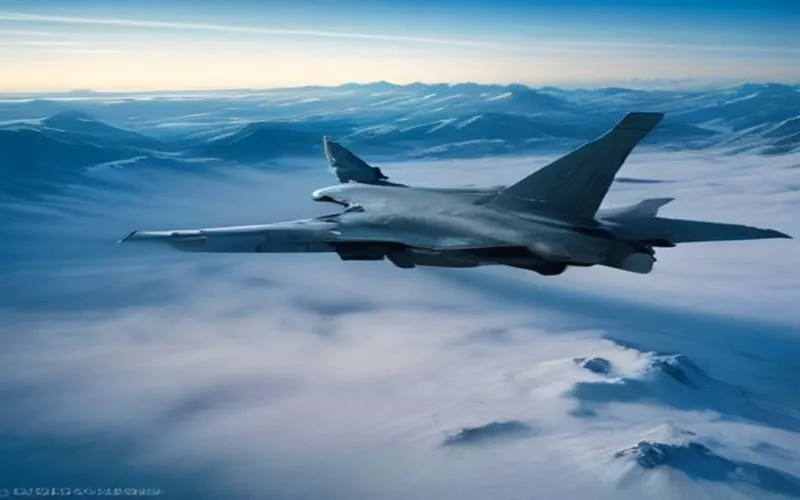
In response to escalating regional security concerns and spillover incidents stemming from the conflict in Ukraine, Finland and Sweden have officially agreed to deepen their bilateral military cooperation. This strategic pact centers primarily on boosting Helsinki’s counter-drone capabilities and reinforcing territorial surveillance along NATO’s increasingly sensitive eastern flank. As Scandinavian neighbors and newly unified NATO allies, both nations are taking proactive steps to safeguard their sovereign airspace and maritime borders against evolving aerial threats.
Expanding Nordic Military Integration and Air Policing
The Finnish Ministry of Defence released a formal statement emphasizing that this heightened collaboration demonstrates the deep operational trust and shared responsibility between the two Scandinavian capitals. While explicit operational details regarding the counter-drone systems remain sensitive, reports from regional media outlets indicate that Stockholm has approved a request to deploy Swedish military assets—including advanced Gripen fighter jets and naval warships—to patrol designated risk areas near the Finnish-Russian border in the near term.
This cooperative framework builds upon a foundation of existing air and maritime defense agreements. Finnish President Alexander Stubb took to social media to praise the expanded alliance, declaring that mutual trust makes both nations significantly stronger in the face of shared security challenges.
Addressing Aerial Incursions and Regional Spillovers
The urgency behind this new defense initiative follows a series of unexplained aerial incursions and suspected drone sightings within Finnish airspace over recent months. These incidents prompted swift tactical responses, including the emergency scrambling of Finnish Air Force F-18 Hornets to intercept and monitor suspicious objects over the capital city of Helsinki and the Gulf of Finland. Although leadership has stressed that these events do not currently represent a direct military invasion threat, the continuous friction highlights vulnerabilities in low-altitude airspace monitoring.
To counter these emerging asymmetric threats, the Finnish government previously allocated a notable financial commitment of €50.2 million ($58.3 million) through a supplementary budget. The vast majority of this funding—specifically €44 million—has been earmarked directly for the Finnish Border Guard, with the remainder distributed to national police forces to rapidly procure, test, and field advanced anti-UAV technologies.
Geopolitical Implications for NATO’s Eastern Flank
The alignment of Finnish and Swedish defense postures marks a historic shift in Northern European security architecture. Following their integration into the NATO alliance, both nations are systematically standardizing their command, control, and territorial surveillance networks. By combining air defense radars, electronic warfare assets, and fast-response fighter aviation, Helsinki and Stockholm are creating a unified deterrence zone that complicates potential gray-zone operations and airspace violations.
As the war in Ukraine continues to reshape European defense priorities, investments in robust counter-unmanned aerial system (C-UAS) architectures and multi-domain surveillance will remain a top priority. The joint efforts of Finland and Sweden serve as a vital blueprint for regional defense cooperation, ensuring that NATO's northern perimeter remains resilient, vigilant, and fully integrated.
This news article was compiled by AI-assisted algorithms under Ajans Savunma editorial guidelines, adhering to technical details from the original source. Original Source: Breaking Defense

Yorumlar (0)
Henüz yorum yapılmamış. İlk yorumu siz yapın!
Bir Yorum Bırakın