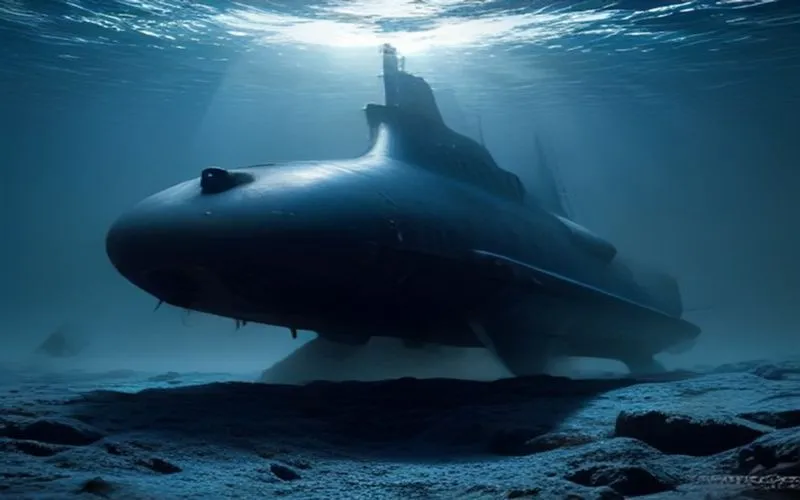
In an era of intensifying great power competition and contested maritime domains, the United States Navy continues to develop asymmetric capabilities designed to deny adversaries freedom of movement. Among these emerging technologies is Liberator, a highly classified seabed warfare system engineered to operate silently in the ocean depths and neutralize capital ships. As naval warfare shifts toward distributed lethal operations and unmanned dominance, systems like Liberator represent a paradigm shift in how undersea supremacy is projected.
The Strategic Role of Seabed Warfare Systems
Seabed warfare has rapidly evolved from a niche intelligence-gathering discipline into a critical pillar of modern naval strategy. Adversaries have increasingly invested in critical undersea infrastructure protection while simultaneously expanding their blue-water surface fleets. The Liberator system addresses these challenges by embedding dormant, highly lethal kinetic assets directly onto the ocean floor. By utilizing strategic chokepoints and anticipated transit corridors, this classified capability allows the U.S. Navy to establish subterranean denial zones without constantly stationing manned surface or subsurface assets in high-threat environments.
Deployment via Uncrewed Submarines
A defining characteristic of the Liberator program is its seamless integration with autonomous and uncrewed underwater vehicles. Modern uncrewed submarines provide the stealth and endurance required to transport and emplace heavy munitions in heavily defended adversary littorals. Once deployed on the seabed, the system remains in a low-power, dormant state until activated by secure acoustic or satellite-linked command architectures. This operational concept minimizes the exposure of high-value crewed platforms like Virginia-class submarines while maximizing tactical surprise against hostile carrier strike groups.
Heavy Torpedo Integration and Lethality
While specific technical parameters remain strictly guarded, defense analysts indicate that the Liberator platform is engineered to accommodate the U.S. Navy's largest and most destructive ship-killing torpedoes. These heavy-weight ordnance payloads are specifically designed to break the keel of large surface combatants, such as aircraft carriers and amphibious assault ships, through devastating under-bottom detonations. The combination of stealthy seabed placement, autonomous triggers, and heavy anti-surface torpedoes transforms the ocean floor into a lethal minefield for enemy fleets, fundamentally altering the tactical calculus of modern naval warfare.
Bu haber, Ajans Savunma editoryal standartları çerçevesinde Yapay Zeka destekli algoritmalar tarafından orijinal kaynaktaki teknik verilere sadık kalınarak yeniden derlenmiştir. Orijinal Kaynak: Naval News (Global)


Comments (0)
No comments yet. Be the first to comment!
Leave a Comment