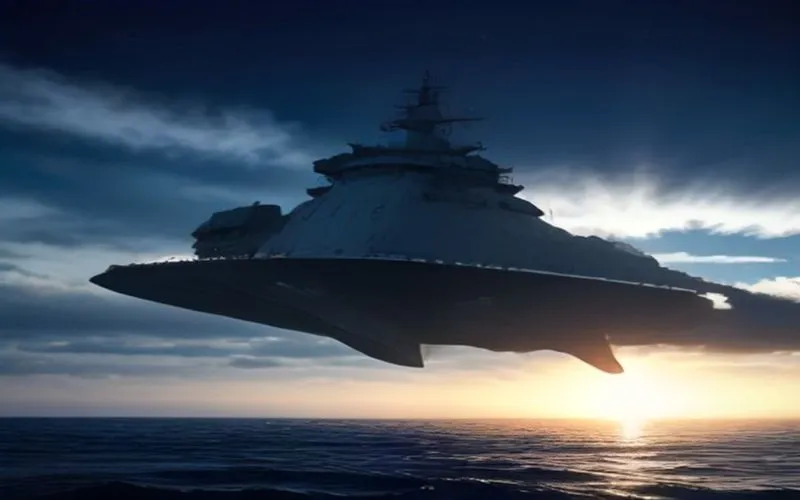
During the prestigious Rim of the Pacific (RIMPAC) 2026 exercises, SensorMAX™ took center stage as Lockheed Martin and the U.S. Navy successfully demonstrated its advanced capabilities. Designed to revolutionize antisubmarine warfare (ASW), this rapidly retrainable artificial intelligence and machine learning sonar expert system represents a monumental leap forward in naval defense technology. As modern submarine fleets become quieter and more difficult to track, integrating artificial intelligence into undersea warfare has transformed from a futuristic concept into an operational necessity for maritime superiority.
The Technological Edge of SensorMAX in Antisubmarine Warfare
The core function of the SensorMAX system is to continuously monitor complex spectral energy, including critical subsurface acoustic data. Traditional sonar operation places a heavy cognitive load on human crews, who must manually analyze vast amounts of acoustic signatures to distinguish between biological noises, oceanographic phenomena, and actual hostile submarines. By leveraging advanced machine learning algorithms, SensorMAX assists naval operators by delivering rapid, automated threat detection. This drastically reduces reaction times in high-stress combat scenarios where seconds can mean the difference between mission success and catastrophic failure.
Over-the-Air Updates and Adaptability
One of the most groundbreaking features demonstrated during the RIMPAC 2026 trials was the system's over-the-air (OTA) model update capability. In modern naval warfare, tactical environments and adversary acoustic signatures evolve rapidly. Traditional defense software typically requires lengthy upgrade cycles and physical maintenance to integrate new acoustic intelligence. With OTA capabilities, SensorMAX can receive real-time neural network and model updates while deployed at sea. This ensures that naval vessels constantly operate with the most up-to-date threat recognition algorithms, maintaining a tactical edge against increasingly sophisticated adversary submarines.
Strategic Implications for Global Naval Operations
The successful collaboration between Lockheed Martin and the U.S. Navy at RIMPAC 2026 highlights a broader strategic shift toward autonomous and AI-augmented naval systems. As near-peer competitors expand and modernize their submarine fleets, navies worldwide face significant challenges in maintaining maritime domain awareness, particularly in contested choke points and open-ocean environments. The integration of adaptive AI tools like SensorMAX not only multiplies the operational effectiveness of existing surface combatants but also paves the way for fully autonomous hunter-killer platforms in the future. As these technologies mature, they will fundamentally reshape naval doctrine and undersea warfare strategies across the globe.
Bu haber, Ajans Savunma editoryal standartları çerçevesinde Yapay Zeka destekli algoritmalar tarafından orijinal kaynaktaki teknik verilere sadık kalınarak yeniden derlenmiştir. Orijinal Kaynak: Naval News (Global)


Comments (0)
No comments yet. Be the first to comment!
Leave a Comment