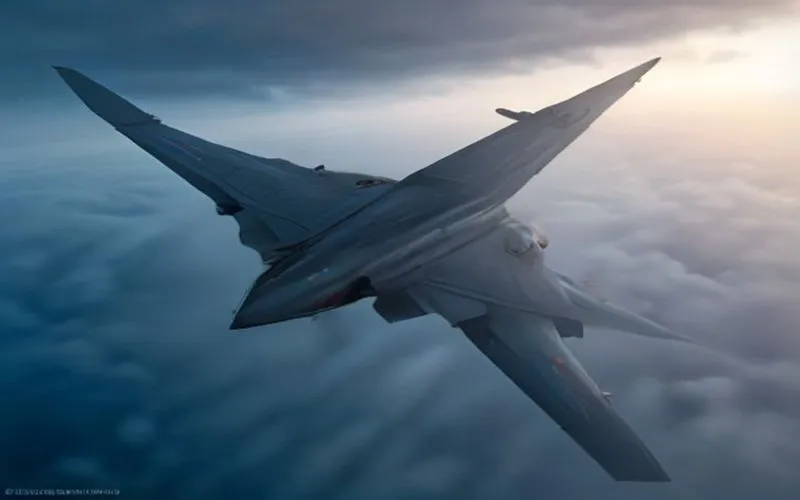
The integration of artificial intelligence and machine learning into modern military aviation has reached a critical juncture with the introduction of advanced technological frameworks. The Project Talon portfolio places mission autonomy at the very center of future Collaborative Combat Aircraft (CCA) operations, signaling a profound shift in how unmanned platforms will operate alongside crewed fighter jets in contested airspace. As modern battlefield threats rapidly evolve, defense organizations worldwide are pivoting toward systems that can execute complex operational directives with minimal human intervention.
The Core Objectives of Project Talon
At the heart of the Project Talon portfolio is the capability for truly autonomous aircraft to make split-second decisions without requiring continuous human input. Traditional unmanned aerial systems have largely relied on constant telemetry links and pilot oversight from ground control stations. However, in heavily contested electronic warfare environments where communication links are vulnerable to jamming and cyber attacks, reliance on constant human control becomes a major tactical liability. Project Talon addresses this vulnerability by embedding advanced decision-making algorithms directly onto the airframe.
Enabling Autonomous Collaboration in Contested Airspace
Collaborative Combat Aircraft are designed to act as force multipliers for next-generation fighters like the F-35 and upcoming sixth-generation platforms. By utilizing the advanced architectural foundations of the Project Talon portfolio, these autonomous wingmen can perform a wide range of dangerous missions, including suppression of enemy air defenses (SEAD), electronic reconnaissance, and kinetic strikes. The software suite allows multiple autonomous drones to communicate with one another, share sensor data in real-time, and dynamically reassign tactical tasks as the combat situation shifts.
Strategic Implications for Future Air Dominance
The transition toward high levels of autonomy in military aviation transforms strategic doctrine across global defense sectors. Successfully fielding portfolios like Project Talon ensures that air forces can maintain operational tempo and tactical superiority against peer adversaries equipped with sophisticated anti-access/area-denial (A2/AD) networks. By minimizing the cognitive load on human pilots while maximizing the lethality and survivability of unmanned assets, initiatives of this scale will fundamentally define the future of air combat dominance.
Bu haber, Ajans Savunma editoryal standartları çerçevesinde Yapay Zeka destekli algoritmalar tarafından orijinal kaynaktaki teknik verilere sadık kalınarak yeniden derlenmiştir. Orijinal Kaynak: Breaking Defense


Yorumlar (0)
Henüz yorum yapılmamış. İlk yorumu siz yapın!
Bir Yorum Bırakın