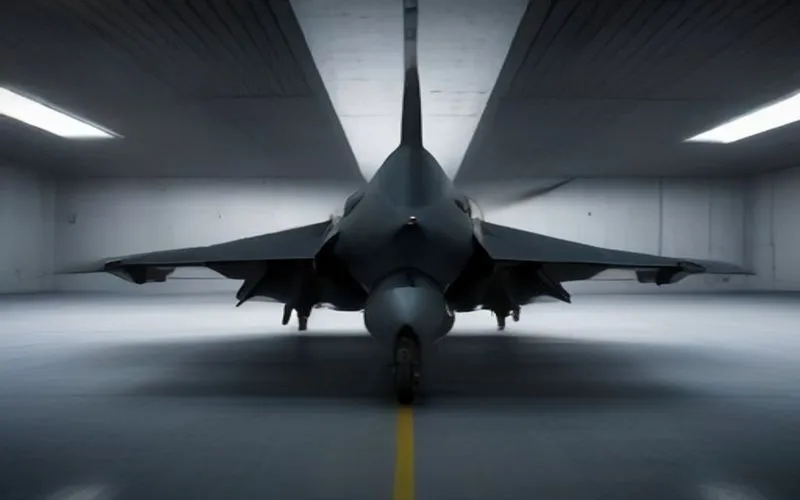
India’s ambitious defense modernization agenda has reached a critical juncture as major aerospace giants position themselves to secure a lucrative contract for the nation's Advanced Medium Combat Aircraft (AMCA) program. Specifically, British engine maker Rolls-Royce and French multinational Safran are fiercely competing to co-develop a high-thrust 120 kN class turbofan engine for the later variants of India's fifth-generation stealth fighter, known as AMCA Mk-2. This strategic race highlights New Delhi's determination to finally overcome decades of reliance on foreign propulsion suppliers.
The Rolls-Royce and Reliance Partnership
Rolls-Royce has significantly strengthened its bid by establishing a strategic intent with Reliance Industries, one of India’s largest conglomerates. Announced in August, this proposed collaboration goes beyond mere engine development by exploring the creation of a dedicated aerospace gas turbine complex within India. According to the joint statement, the proposed industrial base aims to encompass everything from engine design and testing to manufacturing and lifecycle support.
Rolls-Royce Chief Executive Tufan Erginbilgic emphasized that the partnership represents a major milestone in building a self-reliant aerospace ecosystem. Meanwhile, Reliance executive director Anant Ambani highlighted that the initiative seeks to merge Rolls-Royce's renowned propulsion expertise with Reliance's execution capabilities, stressing that India's strategic autonomy requires sovereign control over critical defense technologies.
Safran’s Advanced Co-Development Proposal
In parallel, France’s Safran is advancing its own compelling proposal in direct partnership with India’s state-run Gas Turbine Research Establishment (GTRE) and the Defence Research and Development Organisation (DRDO). Safran has committed to delivering a comprehensive technology transfer, including the highly guarded hot-section technology and advanced turbine architecture that typically remains restricted to a handful of nations.
Safran Chief Executive Olivier Andries previously noted that the French offer is unique because it ensures Indian engineers actively collaborate on building and maintaining a brand-new engine from the ground up. This proposal is currently undergoing rigorous evaluation by India’s Cabinet Committee on Security as New Delhi weighs the depth of technological know-how each contender is willing to surrender.
Strategic Implications for India's Aerospace Sector
For decades, India's inability to manufacture a reliable frontline fighter engine has remained the single greatest vulnerability in its domestic defense manufacturing ecosystem. While initial variants of indigenous aircraft will still rely on foreign powerplants like the American GE F414, mastering high-thrust jet propulsion is treated as a non-negotiable priority by military leadership.
- Elimination of foreign dependencies in critical military supply chains.
- Full transfer of intellectual property and core manufacturing methodologies.
- Establishment of a self-sustaining domestic defense industrial base.
As retired Air Marshal Anil Khosla noted, the ultimate deciding factor for New Delhi will not just be the hardware proposals, but whether these global aerospace giants are willing to share the deepest layers of their proprietary process knowledge to ensure true strategic autonomy for the Indian Air Force.
Bu haber, Ajans Savunma editoryal standartları çerçevesinde Yapay Zeka destekli algoritmalar tarafından orijinal kaynaktaki teknik verilere sadık kalınarak yeniden derlenmiştir. Orijinal Kaynak: Defense News Global



Comments (0)
No comments yet. Be the first to comment!
Leave a Comment