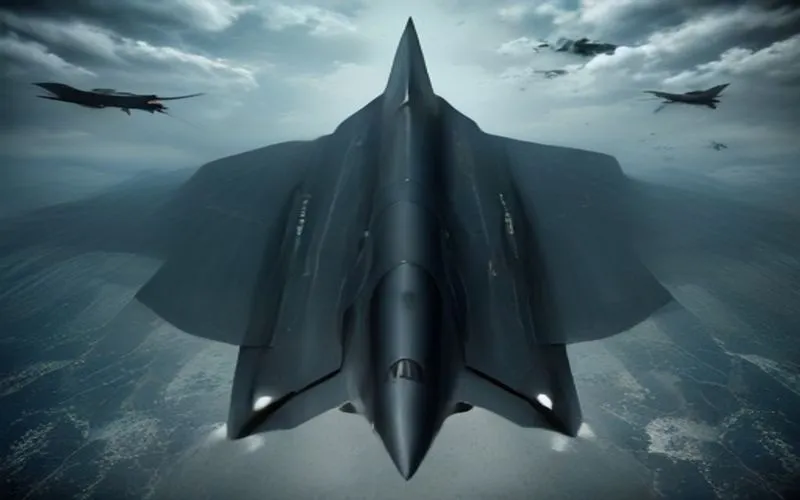
Swedish aerospace and defense contractor Saab has officially unveiled its comprehensive roadmap for the Autonomous Collaborative Platform (ACP) program. Showcasing a full-scale mock-up of a stealthy, supersonic 'fighter drone' designated as aircraft A3, the company is positioning itself as an early pioneer in high-end uncrewed combat aircraft. Unlike many lower-tier uncrewed systems currently in development globally, Saab's ACP is engineered as a high-performance, low-observable platform capable of executing high-risk missions in heavily defended airspace.
The Technology Behind the A1 and A2 Demonstrators
As part of Sweden's overarching Koncept för Framtida Stridsflygplan (KFS) initiative, Saab is actively developing two uncrewed technology demonstrators known as A1 and A2, with funding backed by the Swedish Ministry of Defense. The first demonstrator, aircraft A1, is slated to conduct its maiden flight within the next 15 months following an aggressive 36-month development timeline set by military authorities. Powered by a single GE Aerospace F414 turbofan engine—the same powerplant utilized by the crewed Saab Gripen E/F fighter—the A1 demonstrator is designed to achieve supersonic performance while validating low-observable structural characteristics.
While the A1 focuses primarily on flight dynamics and stealth verification, the subsequent A2 demonstrator will incorporate an internal weapons bay. This second test article will be tasked with validating payload deployment capabilities, advanced sensor integration, and novel aerospace materials. Utilizing the F414 engine provides significant logistical and maintenance advantages, especially for remote airfield operations characteristic of Swedish Air Force operational doctrines.
Design Philosophy of the A3 Operational Concept
The full-scale A3 mock-up presented by Saab offers a clear glimpse into a potential operational configuration for the 2030s. Featuring a tailless, blended wing-body geometry with cropped wings and a prominent chine running along its forward edges, the design shares aesthetic lineage with Saab's historic Draken fighter. The aerodynamic profile emphasizes high-speed efficiency and low radar cross-section, complete with supersonic Diverterless Supersonic Intake (DSI) ducts.
Saab envisions these high-end loyal wingman drones operating alongside crewed assets like the Gripen E and GlobalEye airborne early warning and control aircraft. The mission scope for the ACP includes air-to-air combat, electronic warfare, suppression of enemy air defenses (SEAD), and deep precision strikes. By functioning as tactical wingmen, these uncrewed platforms will multiply combat effectiveness while keeping pilot exposure to extreme hostile threats to a minimum.
Strategic Implications and Future Air Combat Architecture
The trajectory of the ACP program extends beyond uncrewed systems, serving as a vital technological stepping stone for Saab's future combat aircraft concepts. The core architectural framework and stealth design principles perfected through the ACP development cycle will directly inform a potential crewed successor to the Gripen, anticipated for the Swedish Air Force beyond 2055. While a final decision regarding Sweden's future fifth- or sixth-generation fighter strategy remains pending between 2028 and 2030, Saab's aggressive push into supersonic autonomous platforms ensures the nation retains cutting-edge sovereign defense capabilities.
Bu haber, Ajans Savunma editoryal standartları çerçevesinde Yapay Zeka destekli algoritmalar tarafından orijinal kaynaktaki teknik verilere sadık kalınarak yeniden derlenmiştir. Orijinal Kaynak: The War Zone (Global)


Comments (0)
No comments yet. Be the first to comment!
Leave a Comment