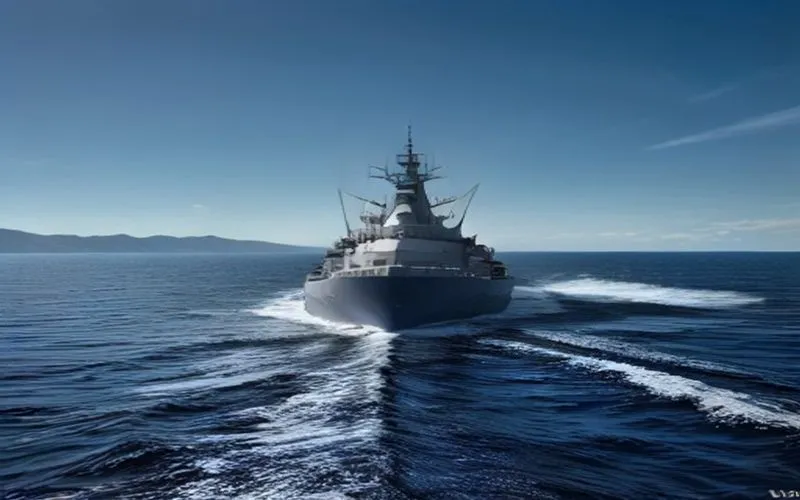
In a landmark development for military logistics and naval fleet management, the South Korean Navy has officially signed a contract with major defense shipbuilder Hanwha Ocean to execute the full overhaul of the Aegis destroyer ROKS Sejong the Great. This agreement marks the very first time that the comprehensive maintenance, repair, and overhaul (MRO) of a major South Korean surface combatant has been entirely delegated to private industry.
Historic Privatization of Naval Destroyer Maintenance
The decision to contract Hanwha Ocean for the factory-level maintenance of the 7,600-ton Aegis destroyer signifies a major strategic shift in South Korea's naval sustainment model. Historically, complex overhauls of such advanced warships were managed directly through naval arsenals or state-owned facilities. According to the South Korean Navy, the upcoming overhaul is scheduled to commence in September 2026 and is projected to last approximately six months, culminating in March 2027. By leveraging private sector industrial capacity, the Navy hopes to streamline the modernization timeline and enhance overall fleet availability.
Comprehensive Technical Overhaul and Upgrades
During the extensive factory-level maintenance period, ROKS Sejong the Great will undergo rigorous technical evaluations across all major combat and propulsion systems. The process will involve partial dismantling to inspect, repair, or replace aging components that have reached the end of their operational lifecycles. In addition to hardware upgrades, the project places a strong emphasis on crew welfare. The living quarters, sanitary facilities, and general habitability spaces onboard the vessel will be completely renovated to significantly improve the daily working and living conditions for the deployed sailors.
Boosting Industrial Collaboration and Combat Readiness
The execution of this monumental MRO contract will not rest solely on Hanwha Ocean; it will involve a vast network of specialized shipyards, original equipment manufacturers (OEMs), and domestic small-to-medium enterprises (SMEs) working in close coordination. This collaborative defense industrial ecosystem approach ensures that supply chain resilience is maintained. Ultimately, transferring these heavy maintenance burdens to private defense contractors frees up naval personnel from administrative and heavy industrial tasks, allowing the crew and command structure to focus intensely on operational training, tactical proficiency, and high-readiness combat missions.
This news article was compiled by AI-assisted algorithms under Ajans Savunma editorial guidelines, adhering to technical details from the original source. Original Source: SavunmaSanayiST

Yorumlar (0)
Henüz yorum yapılmamış. İlk yorumu siz yapın!
Bir Yorum Bırakın