AJANS SAVUNMA | DEFENSE & STRATEGY | 30.08.2026 14:02
USD/TRY 48.25 EUR/TRY 56.00 BIST 100 101,729 BTC/USD $78,145
BREAKING
F-35 Program Costs Surge Past $536 Billion Amid Modernization Delays Civil Aviation and Defense Logistics: Analyzing Strategic Challenges at TGS Sweden Deploys Gripen Fighters and Warships to Protect Finland Until 2026 Saab Completes Maiden Flight of Two-Seater Gripen F Fighter Jet ESA Awards First Contracts for European Launcher Challenge to Boost Space Access U.S. Army Lasers Successfully Neutralize Cartel Drones in Combat Test STM Highlights Advanced Capabilities and Global Success of Türkiye's First National Loitering Munition KARGU MKE Hosts Inaugural FPV Drone Tracking Competition to Advance Anti-Drone Tech US Air Force Expands B-52 Bomber Infrastructure at Spain's Moron Air Base Indonesia Secures First Aircraft Carrier As Former Italian Warship En Route US Air Force Awards Boeing Massive $131 Billion F-15 Contract Military Deploys Advanced Directed Energy Systems to Counter Border Drone Threats Finland and Sweden Forge Strategic Counter-Drone and Border Defense Pact Air Forces Cyber Develops New Defensive Campaign Plan Against AI Threats Turaç Unveils Innovative 5.56mm Anti-Drone Cartridge for Enhanced C-UAS Operations F-35 Program Costs Surge Past $536 Billion Amid Modernization Delays Civil Aviation and Defense Logistics: Analyzing Strategic Challenges at TGS Sweden Deploys Gripen Fighters and Warships to Protect Finland Until 2026 Saab Completes Maiden Flight of Two-Seater Gripen F Fighter Jet ESA Awards First Contracts for European Launcher Challenge to Boost Space Access U.S. Army Lasers Successfully Neutralize Cartel Drones in Combat Test STM Highlights Advanced Capabilities and Global Success of Türkiye's First National Loitering Munition KARGU MKE Hosts Inaugural FPV Drone Tracking Competition to Advance Anti-Drone Tech US Air Force Expands B-52 Bomber Infrastructure at Spain's Moron Air Base Indonesia Secures First Aircraft Carrier As Former Italian Warship En Route US Air Force Awards Boeing Massive $131 Billion F-15 Contract Military Deploys Advanced Directed Energy Systems to Counter Border Drone Threats Finland and Sweden Forge Strategic Counter-Drone and Border Defense Pact Air Forces Cyber Develops New Defensive Campaign Plan Against AI Threats Turaç Unveils Innovative 5.56mm Anti-Drone Cartridge for Enhanced C-UAS Operations
Savunma Şirketleri

Trump Opens Door for Foreign-Built U.S. Navy Ships Amid Intense Political and Technical Scrutiny

President Donald Trump has issued a National Security Presidential Memorandum urging the U.S. Navy to outsource the construction of select surface combatants and auxiliary vessels to foreign shipyards under strict on-shoring conditions. This unprecedented initiative faces severe technical hurdles regarding combat system integration and intense political pushback from Congress and domestic shipbuilders.

KISA CEVAP & HABERİN ÖZETİ

President Donald Trump has issued a National Security Presidential Memorandum urging the U.S. Navy to outsource the construction of select surface combatants and auxiliary vessels to foreign shipyards under strict on-shoring conditions. This unprecedented initiative faces severe technical hurdles regarding combat system integration and intense political pushback from Congress and domestic shipbuilders.

Trump Opens Door for Foreign-Built U.S. Navy Ships Amid Intense Political and Technical Scrutiny

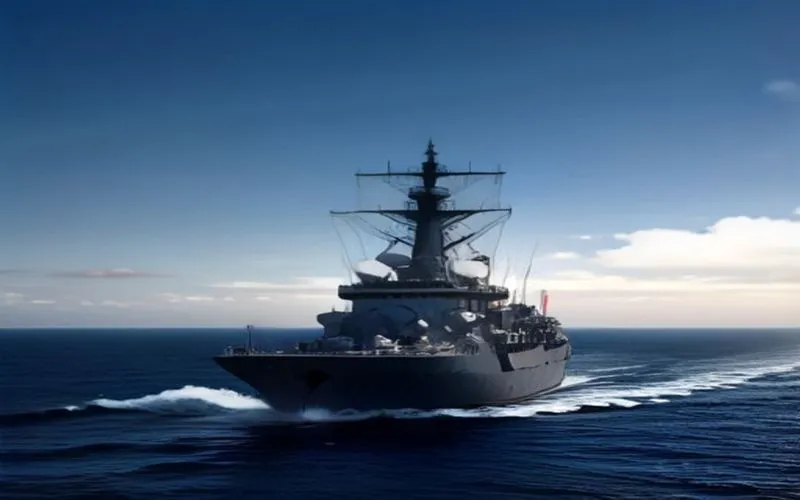
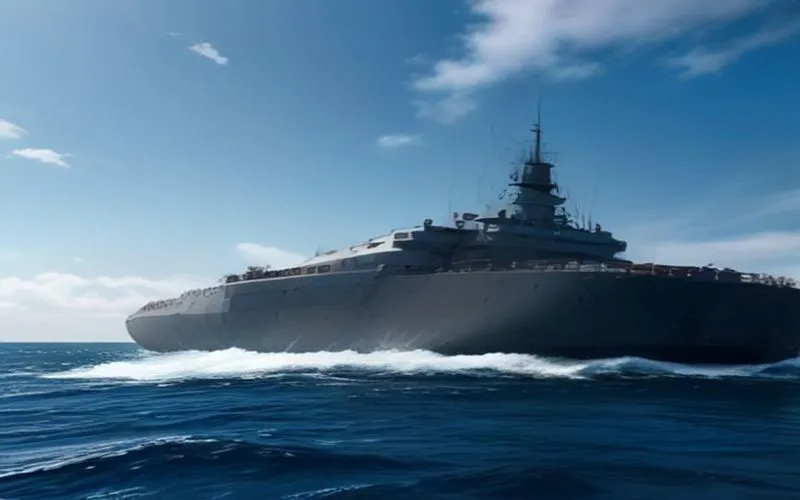
In a strategic pivot that promises to reshape the landscape of American naval procurement, President Donald Trump has officially signed a National Security Presidential Memorandum advocating for the out-sourcing of U.S. Navy shipbuilding to capable foreign allied shipyards. The policy expansion mimics the successful 'Finland model' currently utilized for the U.S. Coast Guard’s Arctic Security Cutters, wherein initial vessels are constructed abroad while subsequent units transition to domestic shipyards. Under the new directive, foreign shipbuilders would be permitted to construct up to two ships across three distinct classes—including surface combatants capable of anti-submarine and surface warfare, replenishment tankers, and roll-on/roll-off vessels—provided they agree to stringent conditions to shift future work into the United States.

Technical Challenges of Integrating Foreign-Built Warships

Integrating foreign-built hulls and marine architecture into the active U.S. Navy fleet introduces a multitude of complex technical hurdles that are virtually unprecedented for combat-grade vessels. According to defense analysts and naval experts, designing a warship overseas requires absolute precision from the keel up to ensure it can natively house advanced American weapon suites, radar systems, and survivability redundancies. Unlike commercial or allied vessels, U.S. Navy platforms undergo rigorous shock hardening, extensive survivability testing, and complex certifications designed to withstand intense combat environments. Furthermore, proprietary communication networks such as the Cooperative Engagement Capability and unique variants of the Aegis combat system demand deeply customized integration pathways that foreign builders rarely implement by default.

Logistical Complexities and Maintenance Realities

Beyond initial construction and system integration, maintaining an 'orphan class' of foreign-sourced naval vessels presents profound logistical challenges for the U.S. supply chain. If the Navy limits procurement to only two or three foreign-built hulls, establishing dedicated training pipelines, spare parts inventories, and specialized dry-dock maintenance routines could become exorbitantly expensive and operationally burdensome. Additionally, experts point out the stark contrast in operational tempos; while commercial or allied foreign ships often adhere to lower operational requirements, the U.S. Navy employs an intensive Optimized Fleet Response Plan that pushes ships to operate at sea for extended rotations, leading to accelerated wear and tear on mechanical and electrical systems.

Political Flashpoint: White House Versus Capitol Hill

The administrative push to utilize international shipyards has ignited a fierce legislative battle between the White House and Capitol Hill, alongside strong resistance from domestic industrial associations. Lawmakers in both the House and the Senate have introduced stringent provisions within successive National Defense Authorization Act versions explicitly barring the construction of combatants and logistics ships in foreign facilities. While the administration argues that leveraging foreign industrial capacity is vital for expanding maritime throughput and driving direct foreign investment into American yards, organizations like the Shipbuilders Council of America warn that diverting any hull construction abroad directly undercuts domestic shipbuilding jobs and long-term national security readiness.

Bu haber, Ajans Savunma editoryal standartları çerçevesinde Yapay Zeka destekli algoritmalar tarafından orijinal kaynaktaki teknik verilere sadık kalınarak yeniden derlenmiştir. Orijinal Kaynak: Breaking Defense

🛡️ EDİTÖRYAL ŞEFFAFLIK VE DOĞRULAMA

Haber Kaynağı: Breaking Defense

Yayın Tarihi: | Son Güncelleme:

Yapay Zeka Destekli Derleme: Bu içerik, Ajans Savunma editoryal standartları ve yapay zeka algoritmaları gözetiminde açık kaynak istihbaratı ve doğrulanmış savunma bültenlerinden sentezlenmiştir.

Maddi bir hata veya düzeltme talebiniz için lütfen Düzeltme Politikamızı inceleyiniz veya editor@ajanssavunma.com üzerinden editoryal masamıza ulaşınız.

Comments (0)

No comments yet. Be the first to comment!

Leave a Comment