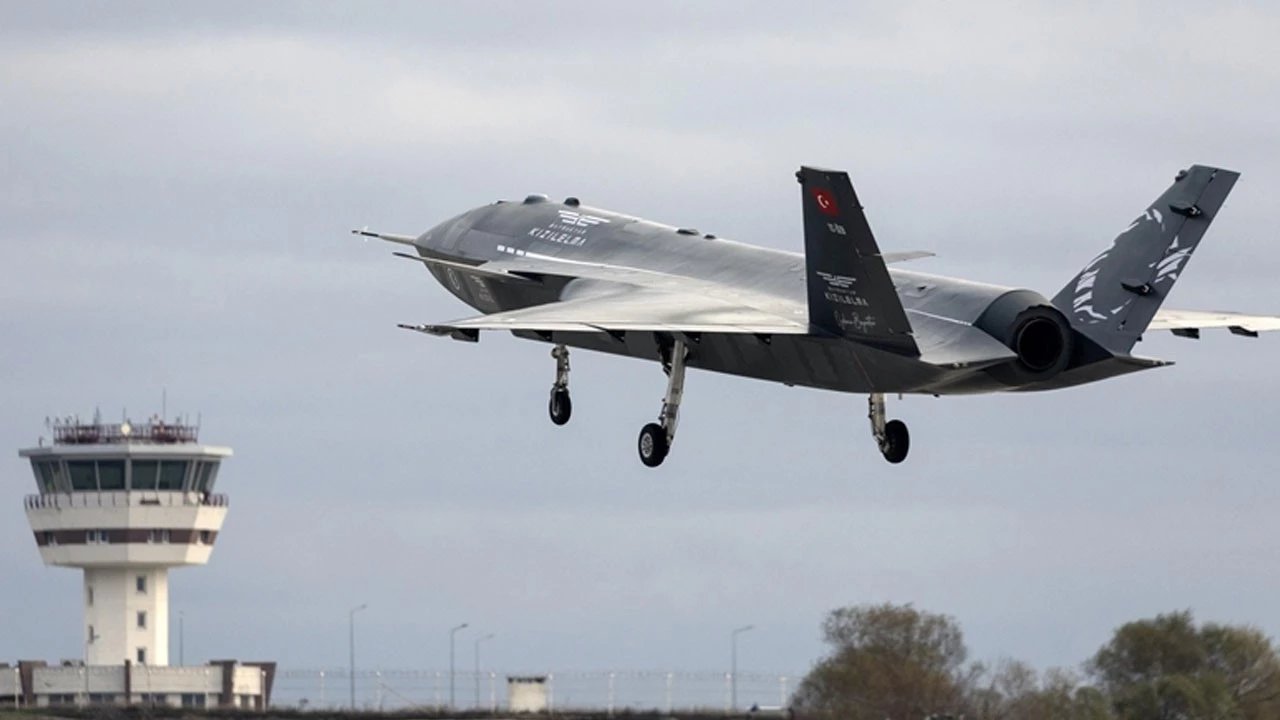
Turkish Aerospace (TA) has officially announced plans to develop a maritime, carrier-capable version of its indigenously produced HÜRJET light attack and advanced jet trainer aircraft. Revealed by TA CEO Mehmet Demiroglu during the Teknofest Blue Homeland naval expo in Kocaeli, Turkey, this ambitious initiative highlights Ankara's growing defense industrial ambitions and its desire to secure a strong foothold in the international military aviation market, particularly among NATO allies.
Engineering Challenges of a Navalized HÜRJET
Adapting a land-based trainer and light combat aircraft for maritime operations requires substantial structural and mechanical modifications. According to the company's leadership, the engineering team has only recently initiated work on the naval variant. Because maritime operating conditions impose significantly harsher stresses on airframes—owing to corrosive saltwater environments, high-impact carrier landings, and catapult launches—the aircraft will need a reinforced undercarriage, arresting gear compatibility, and folded wing mechanisms for carrier storage. Furthermore, experts note that the navalized HÜRJET will require a more powerful engine to safely execute carrier-borne takeoffs and go-arounds, marking a complex technical leap for Turkish aerospace engineers.
Expanding NATO Footprint and Export Milestones
The announcement of the naval variant comes on the heels of critical export successes and ongoing procurement negotiations across Europe. In April, Turkey secured a landmark contract to supply HÜRJET trainers to the Spanish military, following a strategic agreement signed between TA and Airbus to coproduce the platform in Spain. Additionally, Turkish Aerospace has been engaged in advanced discussions with the United Kingdom for nearly a year regarding the Royal Air Force's upcoming trainer procurement program. TA leadership remains optimistic that the HÜRJET will evolve beyond a national training asset to become a standardized tactical training and light strike platform for the broader NATO alliance. Production lines are scaling rapidly, with deliveries to the Turkish Air Force slated for late 2027, followed by the Spanish military deliveries in 2028.
Production Updates on the Fifth-Generation KAAN Fighter
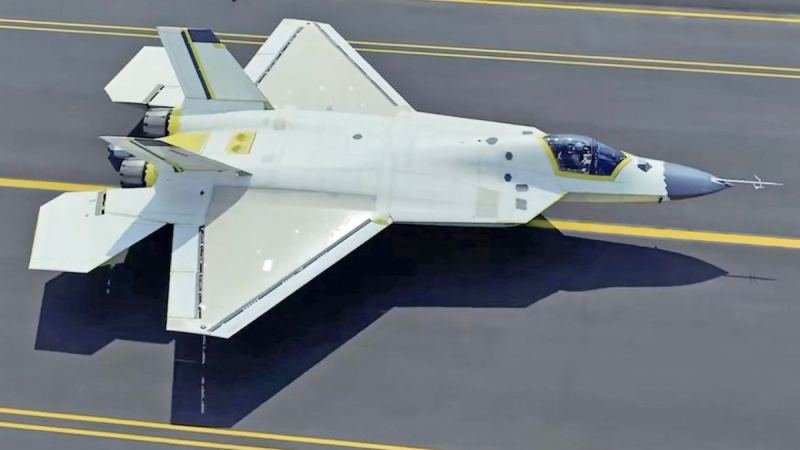
Beyond the HÜRJET program, Turkish Aerospace provided crucial updates regarding Turkey's flagship fifth-generation stealth fighter jet, the KAAN. CEO Mehmet Demiroglu confirmed that the program is proceeding without major roadblocks, particularly regarding propulsion. The initial batches of the KAAN fighter will be powered by US-built General Electric F110 engines, for which export clearance was previously granted by Washington. These interim powerplants will sustain the aircraft until Turkey's indigenous national engine, the TF35000—currently being designed and developed by Tusas Engine Industries (TEI)—reaches operational maturity by 2030. With the prototype designated as KAAN P0 having already completed its maiden flight, TA plans to fly two additional prototypes before the end of the year. The third prototype will mark a critical milestone by initiating comprehensive weapon integration and live-fire testing, encompassing both internal weapons bays and external under-wing stations ahead of targeted serial deliveries by late 2028.
Bu haber, Ajans Savunma editoryal standartları çerçevesinde Yapay Zeka destekli algoritmalar tarafından orijinal kaynaktaki teknik verilere sadık kalınarak yeniden derlenmiştir. Orijinal Kaynak: Breaking Defense
Yorumlar (0)
Henüz yorum yapılmamış. İlk yorumu siz yapın!
Bir Yorum Bırakın