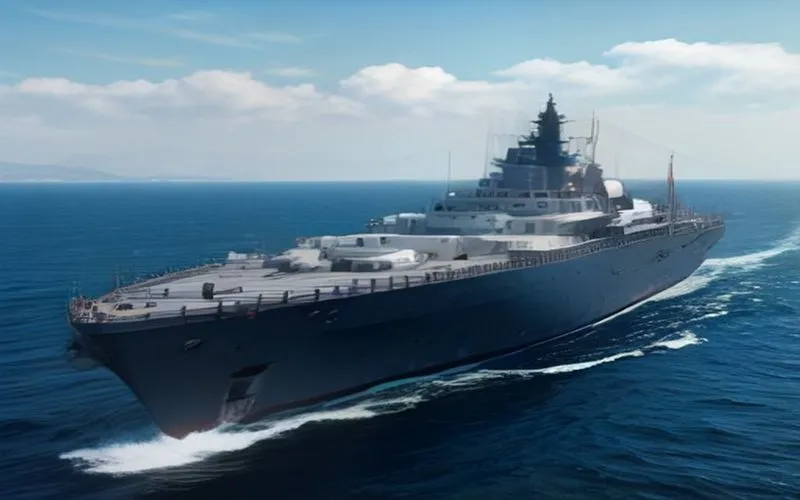
The modernization and expansion of the Turkish Naval Forces took a significant step forward as the National Fast Attack Craft (FAC) program began to take physical shape at the Istanbul Shipyard. The revelation of the new vessel's hull and superstructure occurred during a high-profile naming and launching ceremony held on August 9, 2026. This notable maritime event celebrated the third Littoral Mission Ship (LMS) Batch 2 vessel destined for the Royal Malaysian Navy, named the Tunku Osman Jewa (143). Amidst the official proceedings for the Malaysian contract, photographic and video documentation from the Istanbul facility offered defense analysts and naval enthusiasts the first clear glimpses of Türkiye's upcoming domestic surface combatant design.
Advancing Turkish Naval Architecture and Shipbuilding
The progression of the National Fast Attack Craft project underscores Türkiye's growing self-reliance in indigenous naval architecture and heavy shipbuilding. Istanbul Shipyard, renowned for executing complex international and domestic military contracts, serves as the primary incubator for these advanced surface combatants. Fast Attack Craft traditionally play a crucial role in littoral warfare, providing high-speed maneuverability, heavy firepower, and asymmetric threat deterrence in confined waters such as the Aegean and the Eastern Mediterranean. By leveraging domestic engineering capabilities, the Turkish Navy aims to replace aging platforms with modern, technologically superior hulls equipped with state-of-the-art combat management systems, indigenous weaponry, and advanced electronic warfare suites.
Strategic Significance in Regional Waters
As geopolitical tensions continuously evolve across critical maritime chokepoints, the introduction of the new National Fast Attack Craft (FAC) will significantly augment Türkiye's coastal defense posture. These agile warships are specifically designed to operate effectively in complex littorals, offering rapid response capabilities against surface and air threats. The concurrent execution of international projects, such as the LMS Batch 2 vessels for Malaysia alongside domestic fleet requirements, further demonstrates the robust capacity and export potential of the Turkish defense industrial base. Observers anticipate that further details regarding the vessel's propulsion systems, sensor suites, and missile configurations will be officially disclosed as outfitting and structural integration progress at the shipyard.
Future Outlook for the Fast Attack Craft Program
With the structural framework of the lead ship now visible at Istanbul Shipyard, the National Fast Attack Craft (FAC) program enters a critical phase of outfitting and system integration. Naval architects and engineers will focus on embedding network-centric warfare capabilities, ensuring seamless interoperability with other elements of the Turkish surface fleet and airborne assets. As Türkiye continues to modernize its naval inventory through indigenous projects, the FAC program stands out as a testament to the nation's industrial maturity and strategic commitment to safeguarding its maritime borders and sovereign interests.
Bu haber, Ajans Savunma editoryal standartları çerçevesinde Yapay Zeka destekli algoritmalar tarafından orijinal kaynaktaki teknik verilere sadık kalınarak yeniden derlenmiştir. Orijinal Kaynak: Naval News (Global)



Yorumlar (0)
Henüz yorum yapılmamış. İlk yorumu siz yapın!
Bir Yorum Bırakın