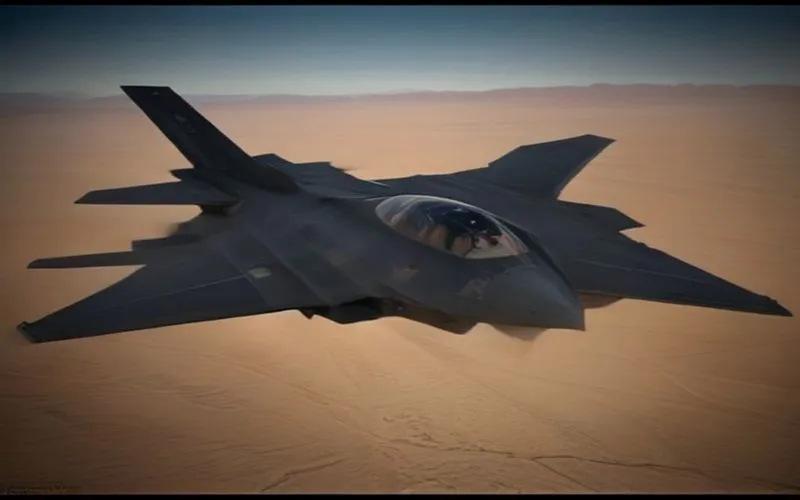
Nearly two decades after its official retirement from frontline service in 2008, the F-117 Nighthawk fleet continues to fly from the secretive Tonopah Test Range Airport in Nevada. The U.S. Air Force relies on these iconic stealth jets for ongoing research and development, test and evaluation, and specialized training exercises. Maintaining a vintage stealth platform long past its designated retirement date demands specialized logistical support, a reality underscored by a recent military contracting notice involving explosive maintenance components.
The Role of CAD/PADs in F-117 Maintenance
The Air Force recently released comprehensive details regarding a planned sole-source contract for new cartridge-actuated devices and propellant-actuated devices, commonly known as CAD/PAD. These specialized explosive and pyrotechnic components have a strict shelf life, requiring periodic replacement to guarantee operational safety and reliability. While CAD/PADs are most widely recognized for powering emergency ejection seats and canopy clearance systems, the Nighthawk's procurement list reveals a more unique application.
Explosive Tailhook Panels and Stealth Engineering
Among the ordered components is the Tail Hook Panel Pyrotechnic Assembly, featuring small shaped explosive charges and electrically-initiated detonators. Unlike carrier-based aircraft, land-based stealth fighters like the F-117 must conceal their emergency tailhooks inside internal compartments behind flush-mounted panels. Exposing a traditional tailhook would significantly degrade a stealth aircraft's radar cross-section. When deployed, the explosive charges blow the panel clear, allowing the hook to drop for emergency runway arrestment.
The Enduring Value of the Nighthawk Fleet
Modern fifth-generation fighters such as the F-22 Raptor and F-35A Lightning II incorporate similar flush-mounted emergency tailhook designs to preserve their low-observable characteristics. The continued operation of the F-117 provides the U.S. military with an invaluable, highly studied control variable for testing advanced air defense systems and serving as 'red air' aggressors. With the Air Force planning to keep the Nighthawk operational through at least 2034, specialized boutique maintenance operations and explosive component contracts remain vital to sustaining this historic stealth fleet.
Bu haber, Ajans Savunma editoryal standartları çerçevesinde Yapay Zeka destekli algoritmalar tarafından orijinal kaynaktaki teknik verilere sadık kalınarak yeniden derlenmiştir. Orijinal Kaynak: The War Zone (Global)
Yorumlar (0)
Henüz yorum yapılmamış. İlk yorumu siz yapın!
Bir Yorum Bırakın