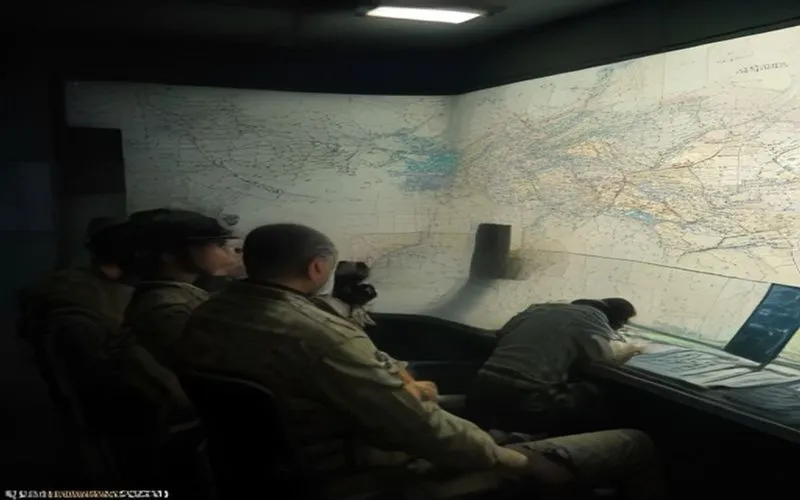
The alliance between the United States and the Republic of Korea has long been the cornerstone of regional stability in East Asia. Recently, however, significant geopolitical shifts have impacted the posture of these allied forces. Following a directive from the White House, US-South Korea military drills were cut in half in an effort to accommodate diplomatic overtures toward Pyongyang. This sudden adjustment reportedly caught military planners and defense officials in Seoul by surprise, highlighting the complex intersection between high-level diplomacy and tactical military readiness.
Strategic Implications of Downscaled Exercises
Joint military exercises such as Ulchi Freedom Guardian and Vigilant Ace are critical for maintaining the high state of readiness required to deter aggression from North Korea. These drills test command and control systems, rapid deployment capabilities, and joint operational cohesion between American forces stationed in the region and the South Korean armed forces. Reducing the scope and duration of these exercises by fifty percent introduces notable risks regarding force preparedness, particularly in the domains of air combat coordination and large-scale logistical mobilization.
Diplomatic Motivations and Regional Reactions
The decision to curtail combined training operations was heavily influenced by executive-level policy aimed at lowering regional tensions and creating an opening for denuclearization negotiations with North Korean leadership. While diplomatic engagement remains a primary objective for Washington, defense analysts have expressed concern that unilateral concessions on military readiness could degrade the deterrent posture of the alliance. South Korean military leadership, while publicly aligned with the broader strategic goals of the bilateral partnership, faced internal operational challenges in rapidly restructuring their annual training calendar to adapt to the shortened timelines.
Future Outlook for the US-ROK Alliance
As the defense architecture of the Korean Peninsula continues to evolve, military officials from both nations must find a balance between diplomatic flexibility and robust combat readiness. The restructuring of these exercises underscores the delicate nature of modern deterrence strategies, where political objectives frequently require rapid adjustments to long-standing military protocols. Future defense cooperation will likely depend on how effectively both militaries can maintain operational proficiency through alternative training methods, such as computer-simulated command post exercises and decentralized tactical drills.
Bu haber, Ajans Savunma editoryal standartları çerçevesinde Yapay Zeka destekli algoritmalar tarafından orijinal kaynaktaki teknik verilere sadık kalınarak yeniden derlenmiştir. Orijinal Kaynak: Breaking Defense



Comments (0)
No comments yet. Be the first to comment!
Leave a Comment