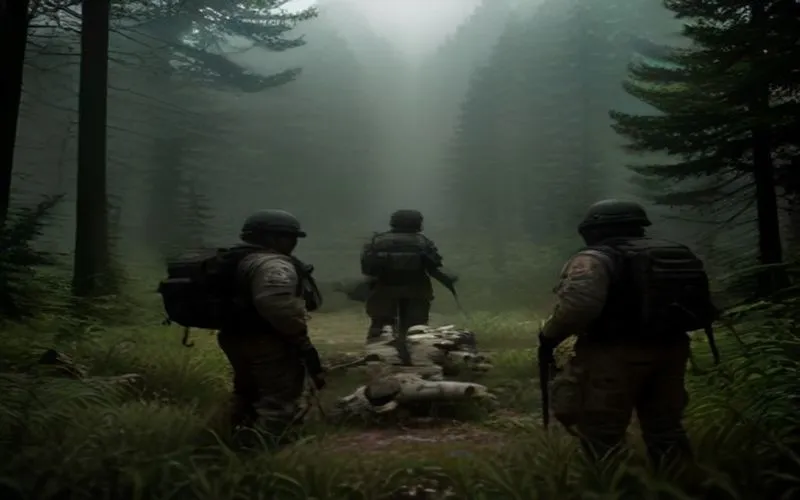
The U.S. Army is officially ending an experimental drone battalion in Europe less than a year after tasking an infantry unit to test how such a specialized formation could operate on the modern battlefield. The decision marks a notable pivot in how the service evaluates the integration of unmanned systems into traditional combat structures, opting instead to disseminate lessons learned back into the broader force rather than maintaining a permanent, standalone experimentation unit of this specific configuration.
The Origins and Objectives of the Drone Experiment
In November 2025, U.S. Army Europe and Africa—in collaboration with the Department of the Army and U.S. European Command—tasked the unit with learning directly from dedicated drone forces. Lawmakers and military planners closely observed how such formations operated, drawing critical insights from modern conflicts such as the war in Ukraine. The primary goal was to feed these lessons back into the Pentagon's wider push for U.S. drone dominance and rapidly accelerate small-unit unmanned capabilities.
However, after participating in the massive, multinational Exercise Saber Junction held in August and September, the battalion is scheduled to return to its original airborne infantry mission. While the Army withheld the exact unit name and personnel numbers for security reasons, the trial period provided extensive operational data regarding tactical drone deployment, electronic interference, and battlefield reconnaissance.
Strategic Shifts and 'The Army Azimuth'
The winding down of the experimental battalion coincides with the release of a new strategic roadmap titled “The Army Azimuth,” issued by Acting Chief of Staff of the Army, Gen. Christopher LaNeve. In a public statement accompanying the roadmap, Gen. LaNeve stressed the necessity to counter enemies who employ stand-off weapons, including unmanned systems and weapons of mass destruction. At the same time, he emphasized that American troops must retain the core fundamentals of soldiering, ensuring a robust grounding in warrior ethos, individual readiness, and small-unit tactical skills.
This dual approach highlights an ongoing internal debate within military leadership: balancing high-tech, autonomous warfare capabilities with the timeless requirements of conventional infantry proficiency.
Broader Pentagon Drone Acquisitions and CENTCOM Initiatives
Despite the conclusion of this specific European battalion experiment, the broader U.S. military's push toward unmanned dominance continues at a rapid pace. A June 2025 executive order directed the armed forces to significantly enhance their unmanned aerial systems capabilities. Shortly after, Defense Secretary Pete Hegseth released a memorandum stating that U.S. units were still not adequately outfitted with the lethal small drones required by the modern battlefield, pledging a comprehensive revamp of acquisition and fielding protocols.
- U.S. Central Command recently announced a multinational task force utilizing one-way attack drones in the air, on the surface, and underwater.
- Task Force Scorpion Strike, established in the Middle East in 2025, continues to field similar loitering munitions with regional partners.
- The Pentagon has also hosted specialized training programs like the 'Top Drone' school to hone operator skills and endurance.
As the U.S. military refines its procurement strategies and tactical doctrines, the insights gained from the European experiment will undoubtedly shape future formations, ensuring that American forces remain adaptable against evolving technological threats.
Bu haber, Ajans Savunma editoryal standartları çerçevesinde Yapay Zeka destekli algoritmalar tarafından orijinal kaynaktaki teknik verilere sadık kalınarak yeniden derlenmiştir. Orijinal Kaynak: Defense News (Global)


Comments (0)
No comments yet. Be the first to comment!
Leave a Comment