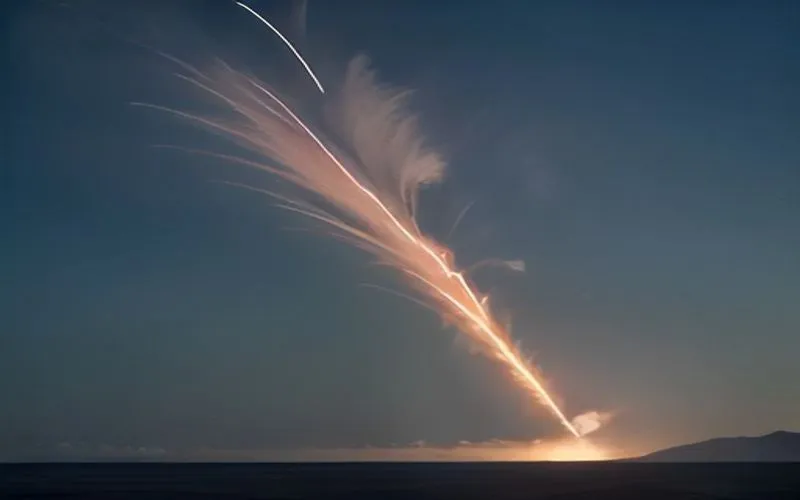
In response to shifting modern warfare dynamics and the increasing reliance on cost-effective uncrewed systems, the U.S. Central Command (CENTCOM) has announced the establishment of a groundbreaking military unit. Dubbed Task Force Falcon Strike (TFFS), this new initiative represents the military's first multinational attack drone task force, bringing together military support staff from the United States and various regional partners to operate unmanned systems from the air, surface, and underwater domains.
The Strategic Rationale Behind Task Force Falcon Strike
The formation of TFFS directly addresses growing concerns regarding the depletion of high-end standoff weapon inventories within the U.S. military stockpile. Modern conflicts, particularly recent operations involving Iran and regional proxies like the Houthi movement, have demonstrated that one-way attack drones offer a highly efficient and economically viable alternative to expensive cruise missiles and precision-guided munitions. By utilizing lower-cost uncrewed platforms, CENTCOM aims to maintain a persistent combat presence and robust deterrence without rapidly exhausting scarce conventional magazines.
Building Upon Previous Drone Milestones
This multinational initiative builds directly upon the operational foundation laid by Task Force Scorpion Strike (TFSS), which was established by U.S. Special Operations Command Central (SOCCENT). TFSS marked several historic milestones for American drone warfare, including the inaugural combat deployment of Low-Cost Uncrewed Combat Attack System (LUCAS) kamikaze drones—systems reverse-engineered from Iranian designs—as well as pioneering combat operations involving uncrewed surface vessels (USVs) and uncrewed underwater vehicles (UUVs) in hostile environments.
- First operational deployment of LUCAS kamikaze drones in the Middle East.
- Historic use of uncrewed surface vessels for personnel recovery and tactical strikes against naval infrastructure.
- Integration of advanced UUV capabilities for maritime security and mine countermeasures.
Expanding Multinational Cooperation and Deterrence
While specific details regarding participating nations and exact equipment inventories remain tightly classified, CENTCOM leadership emphasizes that the task force will scale uncrewed capabilities into a unified, multi-domain deterrent across the Middle East. As regional tensions persist around vital shipping checkpoints like the Strait of Hormuz and the Bab al-Mandeb Strait, Task Force Falcon Strike is positioned to foster deeper allied cooperation, technological integration, and a thriving regional marketplace for advanced autonomous defense systems.
Bu haber, Ajans Savunma editoryal standartları çerçevesinde Yapay Zeka destekli algoritmalar tarafından orijinal kaynaktaki teknik verilere sadık kalınarak yeniden derlenmiştir. Orijinal Kaynak: The War Zone (Global)

Comments (0)
No comments yet. Be the first to comment!
Leave a Comment