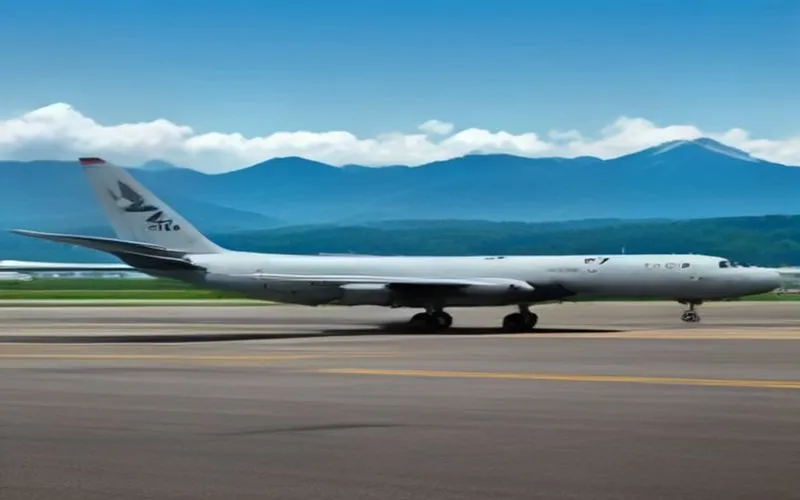
In the aftermath of a devastating seismic event, U.S. Forces Japan demonstrated rapid mobilization capabilities by executing critical disaster relief operations. Deploying heavy military logistics assets, the command successfully transported over 100,000 pounds of vital humanitarian aid directly to the Kumamoto Prefecture in Japan. This swift deployment underscores the dual-use efficiency of military transport infrastructure in managing large-scale national emergencies and supporting vital regional allies.
Strategic Deployment and Logistics Capabilities
The humanitarian mission required seamless coordination between the United States military and the Japan Self-Defense Forces. Utilizing advanced tactical airlift platforms, logistics teams managed the rapid sorting, loading, and aerial transport of emergency rations, clean water, medical equipment, and temporary shelter materials. Such operations test the operational readiness of military transport units, ensuring they can pivot from tactical defense postures to high-priority disaster relief with minimal latency.
Alliance Resilience and Indo-Pacific Security
Beyond the immediate relief of affected civilian populations, these combined humanitarian missions reinforce the deep strategic partnership between Washington and Tokyo. Interoperability between U.S. and Japanese forces is continuously refined through routine exercises, which directly translate into effective command and control during actual crises. By securing supply lines into disaster-stricken zones, military logistics teams ensure regional stability and demonstrate the stabilizing presence of allied forces in the Indo-Pacific theater.
Future Preparedness and Disaster Response Protocols
Lessons learned from the Kumamoto earthquake relief efforts are routinely integrated into future military planning and humanitarian assistance and disaster relief (HADR) frameworks. Modern defense logistics increasingly rely on decentralized supply chains, rapid aerial assessment tools, and advanced cargo handling systems to minimize response times. As climate-related and tectonic hazards continue to pose unpredictable challenges, the capability of armed forces to project humanitarian power remains a cornerstone of comprehensive national security and international cooperation.
Bu haber, Ajans Savunma editoryal standartları çerçevesinde Yapay Zeka destekli algoritmalar tarafından orijinal kaynaktaki teknik verilere sadık kalınarak yeniden derlenmiştir. Orijinal Kaynak: U.S. Department of Defense News



Yorumlar (0)
Henüz yorum yapılmamış. İlk yorumu siz yapın!
Bir Yorum Bırakın