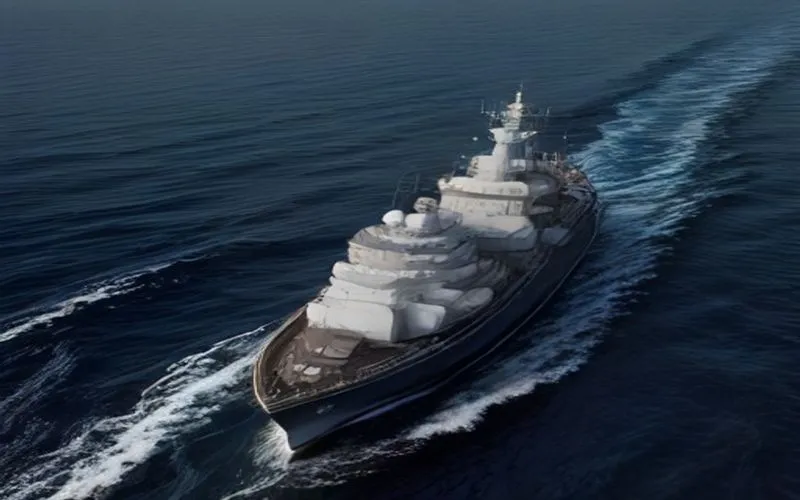
In a historic and dramatic departure from traditional procurement policies, the White House has issued a sweeping Presidential Memorandum that opens the door for allied international shipbuilders to design and construct U.S. Navy vessels. Centered around the newly introduced Finland Model, this policy initiative is designed to overcome crippling domestic industrial bottlenecks, mitigate severe shipyard delays, and rapidly accelerate the expansion of the U.S. Navy fleet to meet escalating global threats.
The Strategic Imperative Behind the Finland Model
For decades, strict domestic manufacturing mandates like the Jones Act and traditional defense acquisition regulations have required virtually all U.S. Navy warships to be constructed exclusively within American shipyards. However, unprecedented backlogs, skilled labor shortages, and infrastructure constraints have severely hampered the shipbuilding timeline. By looking to trusted international allies, the executive order seeks to harness foreign shipbuilding capacity, expertise, and efficiency to deliver critical naval capabilities at an accelerated pace.
Focus on Convoy Escorts and Fleet Readiness
The immediate catalyst for this policy pivot is the urgent requirement for new surface combatants, specifically focused on a prospective U.S. Navy convoy escort program. As geopolitical tensions rise across vital maritime choke points, maintaining secure sea lines of communication is paramount. The incorporation of foreign-built designs allows the Pentagon to bypass local manufacturing delays and quickly field adaptable, highly capable escort vessels that can integrate seamlessly with existing U.S. battle groups and allied formations.
Navigating Industrial and Legislative Challenges
While the White House memorandum signals a groundbreaking willingness to globalize a traditionally insular defense sector, significant hurdles remain. Implementing the Finland Model requires navigating complex legislative frameworks, addressing national security concerns regarding supply chain integrity, and managing fierce domestic political resistance from domestic shipbuilders and labor unions. Nevertheless, this directive underscores a growing realization within the Department of Defense that innovative procurement strategies are essential to maintain maritime dominance in an era of peer competition.
Bu haber, Ajans Savunma editoryal standartları çerçevesinde Yapay Zeka destekli algoritmalar tarafından orijinal kaynaktaki teknik verilere sadık kalınarak yeniden derlenmiştir. Orijinal Kaynak: Naval News (Global)


Comments (0)
No comments yet. Be the first to comment!
Leave a Comment