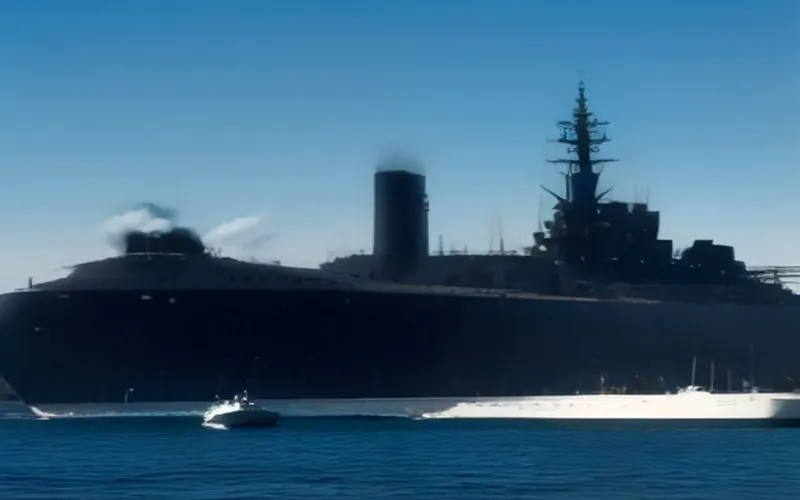
The United States Navy continues to grapple with severe logistical hurdles as maintenance bottlenecks significantly impact operational readiness. According to a recent comprehensive report by the Government Accountability Office (GAO), persistent submarine maintenance delays and prolonged periods of idle time have cost the service an estimated $3.4 billion. These financial and operational setbacks highlight ongoing systemic weaknesses within the military-industrial complex tasked with maintaining the nation's nuclear-powered attack and ballistic missile submarine fleets.
The Root Causes of Submarine Maintenance Backlogs
The skyrocketing costs and extended shipyard timelines stem from a combination of aging shipyard infrastructure, workforce shortages, and supply chain disruptions. Naval shipyards, which are critical for overhauling complex nuclear platforms, have struggled to keep pace with the rigorous maintenance schedules required for modern submarines. Consequently, vessels often sit idle for months or even years awaiting dry-dock availability, severely restricting the operational availability of the fleet for global deterrence missions.
Impact on Fleet Readiness and Operational Capabilities
While the GAO report acknowledged that the Navy has made marginal progress in reducing maintenance delays for currently operational submarines, the broader outlook remains troubling. Submarines are designed to operate under strict deployment cycles; when these cycles are disrupted, the burden on the remaining active fleet increases exponentially. This operational strain affects global patrols, intelligence, surveillance, and reconnaissance (ISR) missions, and strategic deterrence posture in critical regions such as the Indo-Pacific and the North Atlantic.
Rising Costs for Vessels Scheduled for Decommissioning
One of the most concerning findings in the GAO assessment is that the maintenance crisis is projected to worsen significantly—and become even costlier—for submarines destined for decommissioning. Maintaining older hulls that are soon to be retired drains valuable resources, technical expertise, and shipyard capacity that should be redirected toward newer Block V Virginia-class attack submarines and the upcoming Columbia-class ballistic missile submarines. Defense analysts emphasize that reforming shipyard management and modernizing industrial infrastructure are paramount to resolving these systemic financial and logistical failures.
Bu haber, Ajans Savunma editoryal standartları çerçevesinde Yapay Zeka destekli algoritmalar tarafından orijinal kaynaktaki teknik verilere sadık kalınarak yeniden derlenmiştir. Orijinal Kaynak: Breaking Defense



Yorumlar (0)
Henüz yorum yapılmamış. İlk yorumu siz yapın!
Bir Yorum Bırakın