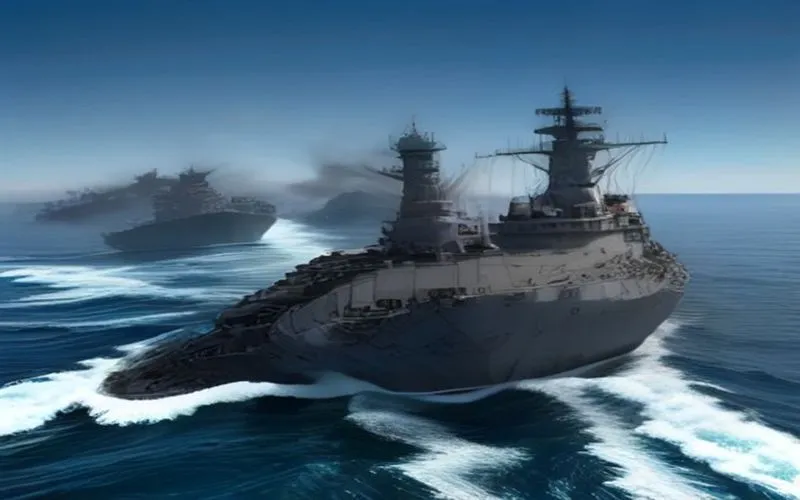
The U.S. Navy's Wasp-class amphibious assault ship, the USS Essex (LHD 2), recently concluded a highly anticipated Tiger Cruise, welcoming friends, family members, and community leaders aboard for a firsthand look at naval operations. Operating off the coast of Southern California near Marine Corps Base Camp Pendleton, the event served as a ceremonial conclusion to a demanding deployment cycle, offering civilian guests a unique immersion into the daily lives of American sailors and embarked Marines.
The Strategic Value and Tradition of Tiger Cruises
Tiger Cruises are a long-standing tradition within the United States Navy and other allied maritime forces. Beyond serving as a morale booster and a reward for families enduring long separations, these deployments hold significant operational value. They foster community relations, transparently demonstrate the capabilities of amphibious assault ships to the public, and provide guests with an appreciation of the rigorous discipline required to maintain combat readiness at sea. During the transit, guests observed flight deck operations, damage control demonstrations, and navigational protocols executed by the ship's crew.
Capabilities of the Wasp-Class Amphibious Assault Ship
As a cornerstone of U.S. expeditionary strike groups, the USS Essex is designed to project power and support United States Marine Corps amphibious operations globally. Disembarking from its home port in San Diego, the vessel operates as a versatile platform capable of hosting a diverse air wing, including AV-8B Harrier jets, F-35B Lightning II stealth fighters, and various support helicopters such as the MV-22B Osprey tiltrotor aircraft. The ship is also equipped with a well deck to launch landing craft, enabling the rapid deployment of troops, vehicles, and equipment directly to contested shores.
Return to San Diego and Future Outlook
The successful completion of the Tiger Cruise and the subsequent arrival in San Diego mark the beginning of a crucial maintenance and reset phase for the USS Essex. Following months of sustained operations, the vessel and its crew will undergo scheduled upkeep, technological upgrades, and personnel training rotations. This maintenance cycle is essential to ensure that the amphibious assault ship remains combat-ready, fully capable of responding to future crisis-response missions, humanitarian assistance operations, and large-scale joint exercises across the Indo-Pacific and global operational theaters.
Bu haber, Ajans Savunma editoryal standartları çerçevesinde Yapay Zeka destekli algoritmalar tarafından orijinal kaynaktaki teknik verilere sadık kalınarak yeniden derlenmiştir. Orijinal Kaynak: U.S. Department of Defense News


Comments (0)
No comments yet. Be the first to comment!
Leave a Comment