AJANS SAVUNMA | SAVUNMA & STRATEJİ | 30.08.2026 07:12
USD/TRY 48.25 EUR/TRY 56.00 BIST 100 101,729 BTC/USD $78,184
SON DAKİKA
Kontrolsan'dan Savunma Sanayiine Kritik Güvenlik Mimarisi: PSIM Tabanlı Tesis Koruma Çözümleri Kontrolsan Temsilciliğinde Metronor Boresight ve Sensör Kalibrasyon Sistemleri Montaj Hatlarında BMC Savunma'dan TSK'ya Yeni Nesil VURAN ve KİRPİ II Zırhlı Araç Teslimatı ASELSAN ve ROKETSAN'dan Çelik Kubbe İçin Seri Üretim Hamlesi: Yeni Radarlar ve Füze Bataryaları Sahaya İniyor Bayraktar TB3 SİHA'dan TCG ANADOLU Üzerinde Tam Otonom Gece İniş-Kalkış Testi Başarısı MİLGEM 9-12. İSTİF Sınıfı Fırkateynlerde Yerli Silah ve Sensör Payı Rekor Seviyeye Ulaştı TUSAŞ KAAN Projesinde İkinci ve Üçüncü Prototip Montaj Hatlarında Kritik Aşama MİLGEM 9-12. İSTİF Sınıfı Fırkateyn İnşalarında Kritik Aşama: Yerli Sistem Payı %85'e Ulaştı Metronor Boresight ve Sensör Hizalama Sistemleri Savunma Montaj Hatlarında Devrede Kritik Savunma Tesisleri İçin Uçtan Uca PSIM Tabanlı Komuta Kontrol Güvenlik Mimarisi Çelik Kubbe Nedir? Türkiye'nin Katmanlı Hava Savunma Mimarisi F-35 Programında Maliyet Alarmı: Toplam Fatura 536 Milyar Doları Aştı İsveç’ten Finlandiya’ya Stratejik Askeri Destek: Gripen Uçakları Görevde Avrupa Uzay Ajansı'ndan Stratejik Hamle: Yeni Fırlatma Sözleşmeleri İmzalandı ABD Ordusu Lazer Silahları Sınırda İHA'ları Vurarak Düşürdü Kontrolsan'dan Savunma Sanayiine Kritik Güvenlik Mimarisi: PSIM Tabanlı Tesis Koruma Çözümleri Kontrolsan Temsilciliğinde Metronor Boresight ve Sensör Kalibrasyon Sistemleri Montaj Hatlarında BMC Savunma'dan TSK'ya Yeni Nesil VURAN ve KİRPİ II Zırhlı Araç Teslimatı ASELSAN ve ROKETSAN'dan Çelik Kubbe İçin Seri Üretim Hamlesi: Yeni Radarlar ve Füze Bataryaları Sahaya İniyor Bayraktar TB3 SİHA'dan TCG ANADOLU Üzerinde Tam Otonom Gece İniş-Kalkış Testi Başarısı MİLGEM 9-12. İSTİF Sınıfı Fırkateynlerde Yerli Silah ve Sensör Payı Rekor Seviyeye Ulaştı TUSAŞ KAAN Projesinde İkinci ve Üçüncü Prototip Montaj Hatlarında Kritik Aşama MİLGEM 9-12. İSTİF Sınıfı Fırkateyn İnşalarında Kritik Aşama: Yerli Sistem Payı %85'e Ulaştı Metronor Boresight ve Sensör Hizalama Sistemleri Savunma Montaj Hatlarında Devrede Kritik Savunma Tesisleri İçin Uçtan Uca PSIM Tabanlı Komuta Kontrol Güvenlik Mimarisi Çelik Kubbe Nedir? Türkiye'nin Katmanlı Hava Savunma Mimarisi F-35 Programında Maliyet Alarmı: Toplam Fatura 536 Milyar Doları Aştı İsveç’ten Finlandiya’ya Stratejik Askeri Destek: Gripen Uçakları Görevde Avrupa Uzay Ajansı'ndan Stratejik Hamle: Yeni Fırlatma Sözleşmeleri İmzalandı ABD Ordusu Lazer Silahları Sınırda İHA'ları Vurarak Düşürdü
Strateji & Analiz

White House Unveils New National Space Transportation Policy to Boost Launch Rates

The White House has released an updated National Space Transportation Policy aiming for at least 1,000 annual launches and reentries from U.S. facilities by 2030. The comprehensive directive prioritizes infrastructure development, streamlined scheduling, and expanded commercial space capabilities for national security and civil needs.

KISA CEVAP & HABERİN ÖZETİ

The White House has released an updated National Space Transportation Policy aiming for at least 1,000 annual launches and reentries from U.S. facilities by 2030. The comprehensive directive prioritizes infrastructure development, streamlined scheduling, and expanded commercial space capabilities for national security and civil needs.

White House Unveils New National Space Transportation Policy to Boost Launch Rates

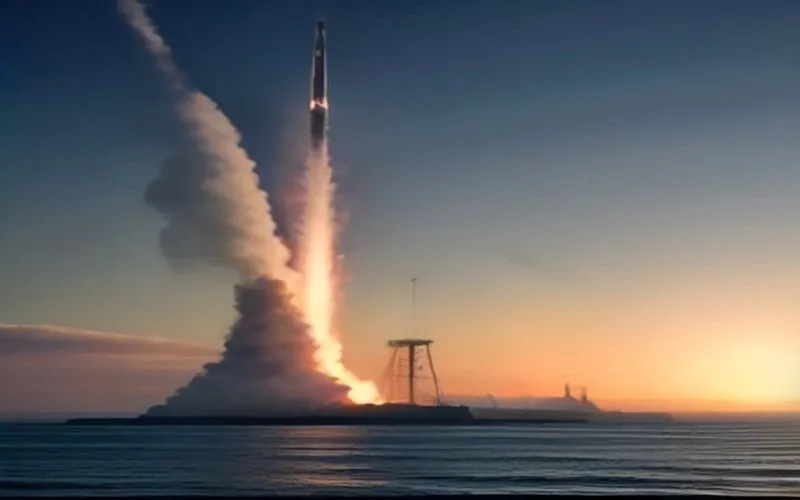
The White House has released a landmark updated National Space Transportation Policy designed to revolutionize the United States space sector by significantly scaling up launch and reentry frequencies. Last updated in 2013, the new directive sets an ambitious target: supporting at least 1,000 launches and reentries annually from U.S. facilities by the year 2030, a massive leap from the roughly 200 launches recorded by U.S. entities in 2025. This strategic shift underscores the growing integration between national security space demands, military logistics, and the booming commercial aerospace industry.

Expanding Infrastructure and Launch Facilities

A core pillar of the new policy is a heavy emphasis on ground infrastructure rather than solely focusing on launch vehicles. The Department of Defense (Pentagon) and NASA, which manage critical federal launch ranges, are tasked with continuously evaluating and improving launch and reentry sites. Furthermore, the policy encourages the co-development of launch infrastructure alongside private sector partners to alleviate bottlenecks at existing ranges.

To accommodate the projected surge in launch cadence, the directive initiates a framework for establishing additional launch sites. The Pentagon, NASA, and the Department of Transportation will collaborate with state and local governments to identify potential geographic locations for new facilities. Additionally, agencies are instructed to establish rigorous scheduling criteria within 180 days to maximize federal launch range utilization for both commercial payloads and vital national security missions, including the designation of priority airspace for critical launch corridors.

Addressing the Reentry Site Bottleneck

Beyond traditional liftoffs, the policy directly tackles a critical vulnerability in the U.S. space supply chain: the severe shortage of licensed reentry locations. Companies like Varda Space Industries have previously faced major logistical hurdles, sometimes being forced to rely on international sites like Australia or complex ocean recoveries due to domestic capacity constraints.

To resolve this, the Department of the Interior has been directed to identify federal lands suitable for use as dedicated reentry sites within the next 90 days. Establishing domestic reentry corridors and safety criteria will streamline the return of spacecraft, boosting the operational readiness of both commercial manufacturers and national security assets requiring rapid payload retrieval.

Strategic Implications for Defense and Deep Space Logistics

The updated policy also aligns commercial capabilities with broader defense and exploration goals. The Pentagon is explicitly directed to evaluate and integrate in-space transportation services—such as on-orbit satellite servicing—into future mission architectures. Moreover, the strategy supports responsive space launch initiatives, ensuring the U.S. military can rapidly replace or augment orbital assets during potential conflicts.

Looking beyond Earth orbit, the policy instructs NASA to foster a robust lunar logistics architecture for sustained access to the Moon's surface, while laying the groundwork for commercial human transport to and from Mars. Through industrial base strategies, export policy reviews, and streamlined federal regulations, the United States aims to secure undisputed technological and logistical dominance in the orbital and deep-space domains.

Bu haber, Ajans Savunma editoryal standartları çerçevesinde Yapay Zeka destekli algoritmalar tarafından orijinal kaynaktaki teknik verilere sadık kalınarak yeniden derlenmiştir. Orijinal Kaynak: SpaceNews

🛡️ EDİTÖRYAL ŞEFFAFLIK VE DOĞRULAMA

Haber Kaynağı: SpaceNews

Yayın Tarihi: | Son Güncelleme:

Yapay Zeka Destekli Derleme: Bu içerik, Ajans Savunma editoryal standartları ve yapay zeka algoritmaları gözetiminde açık kaynak istihbaratı ve doğrulanmış savunma bültenlerinden sentezlenmiştir.

Maddi bir hata veya düzeltme talebiniz için lütfen Düzeltme Politikamızı inceleyiniz veya editor@ajanssavunma.com üzerinden editoryal masamıza ulaşınız.

Yorumlar (0)

Henüz yorum yapılmamış. İlk yorumu siz yapın!

Bir Yorum Bırakın