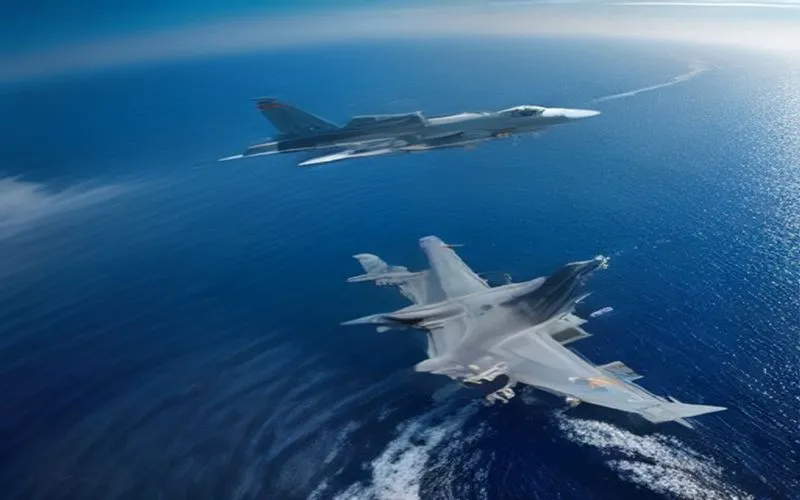
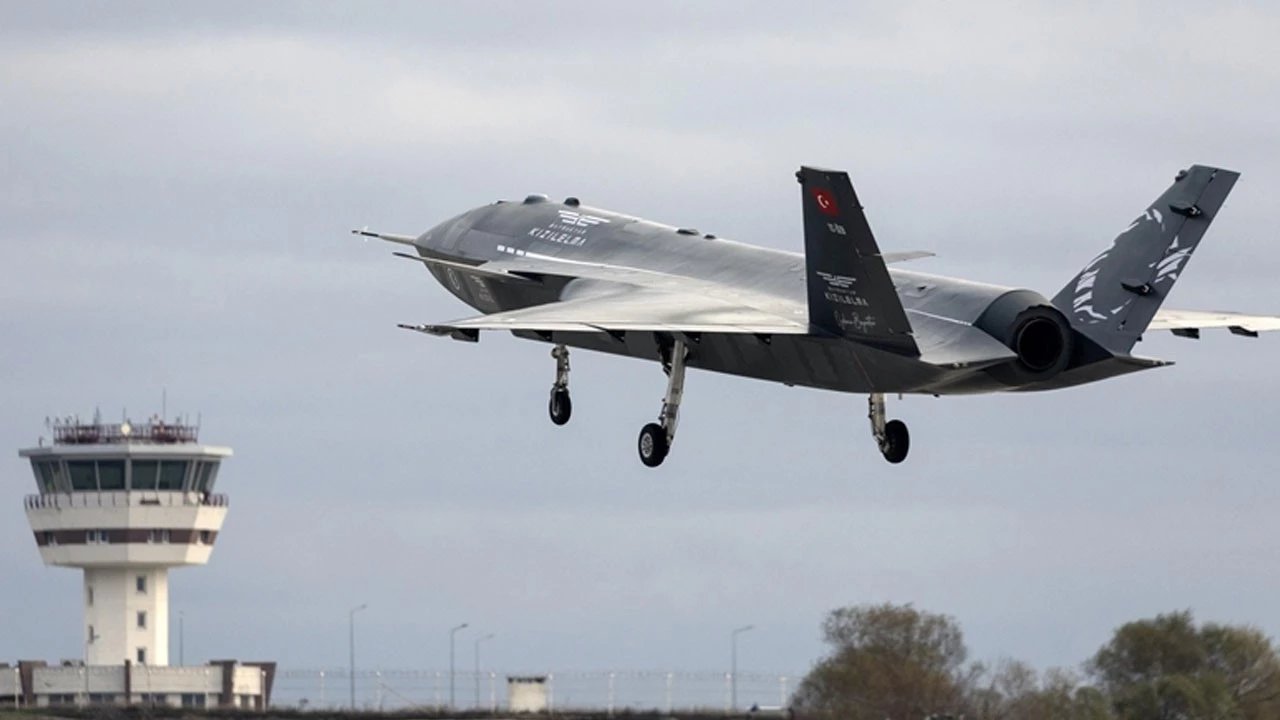
In a fresh escalation of regional aviation tensions, the Hellenic Air Force scrambled two F-16 fighter jets to intercept a Turkish unmanned aerial vehicle operating over the Aegean Sea. According to reports from Greek state broadcaster ERT, the incident unfolded on a Friday morning in the northeastern sector of the Aegean. The Hellenic military command claimed that a Turkish UAV crossed into the Athens Flight Information Region (FIR), prompting an immediate operational response to identify and monitor the asset as it maneuvered between the islands of Samothrace and Lemnos.
The Proximity Incident Near Alexandroupoli Airport
The primary concern highlighted by Greek authorities was the close proximity of the unmanned platform to the approach corridor of Alexandroupoli Airport. The aerial activity reportedly coincided with preparations for the departure of a commercial passenger flight operated by Aegean Airlines. Swift coordination between the Hellenic Civil Aviation Authority and the scrambled F-16 pilots ensured that the commercial aircraft's safety was maintained while guiding the drone's trajectory away from the immediate vicinity. As a precautionary measure, the civilian airliner was instructed to utilize an alternative flight corridor and maintain a lower altitude until clear of the contested zone before resuming its normal route toward Athens International Airport.
Underlying Geopolitical Tensions in the Aegean FIR
This latest interception highlights the persistent airspace and sovereignty disputes between Turkey and Greece in the Aegean basin. Athens routinely categorizes such military flights as violations of its national airspace and the Athens FIR. However, Ankara maintains a fundamentally different legal interpretation. Turkey asserts that the FIR is an air traffic service and technical responsibility zone rather than a sovereign territorial boundary. Turkish diplomatic and defense officials consistently emphasize that the FIR encompasses international airspace, meaning that military flights operating within international skies are not legally obligated to submit flight plans to Greek authorities under international aviation norms.
Strategic Implications for Regional Air Defense
The incident reflects the increasingly complex operational environment in the Aegean Sea, where the growing integration of unmanned aerial systems intersects with dense commercial air traffic and vigilant national air defense networks. As both nations continue to expand their aerial capabilities, efficient communication channels and real-time coordination remain critical to preventing tactical misunderstandings from escalating into strategic crises. The ongoing friction over maritime and aerial jurisdictions continues to serve as a primary flashpoint in bilateral relations, necessitating constant monitoring by military analysts and regional defense planners.
This news article was compiled by AI-assisted algorithms under Ajans Savunma editorial guidelines, adhering to technical details from the original source. Original Source: DefenceTurk


Yorumlar (0)
Henüz yorum yapılmamış. İlk yorumu siz yapın!
Bir Yorum Bırakın